
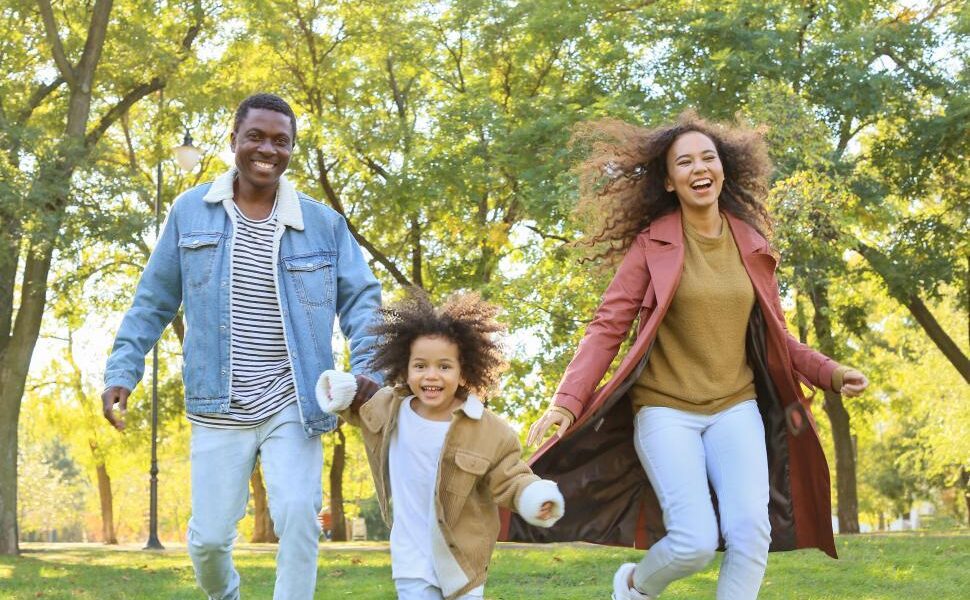
One day, your child will stop asking you to play with them. The shoes by the door will get smaller, the laughter in the yard quieter, and movement will no longer come naturally. Today, we still have a chance to shape their habits, health, and joy, simply by moving together.
Modern life has made physical activity optional and screen time unavoidable. Children spend more time on phones, tablets, and gaming devices than running, jumping, or playing outside. Many schools struggle to provide regular physical education or safe spaces for play.
The result? Rising childhood health risks, reduced social interaction, lower confidence, and habits that often follow children into adulthood. This isn’t a future concern, it’s happening now.
Any Exercise Is Better Than No Exercise
The solution doesn’t require perfection or intense workouts. Simply reducing screen time and encouraging movement can dramatically improve a child’s physical and mental health. The same applies to adults. Any movement counts. Walking, playing, dancing, skipping, or exploring nature all support healthy growth.
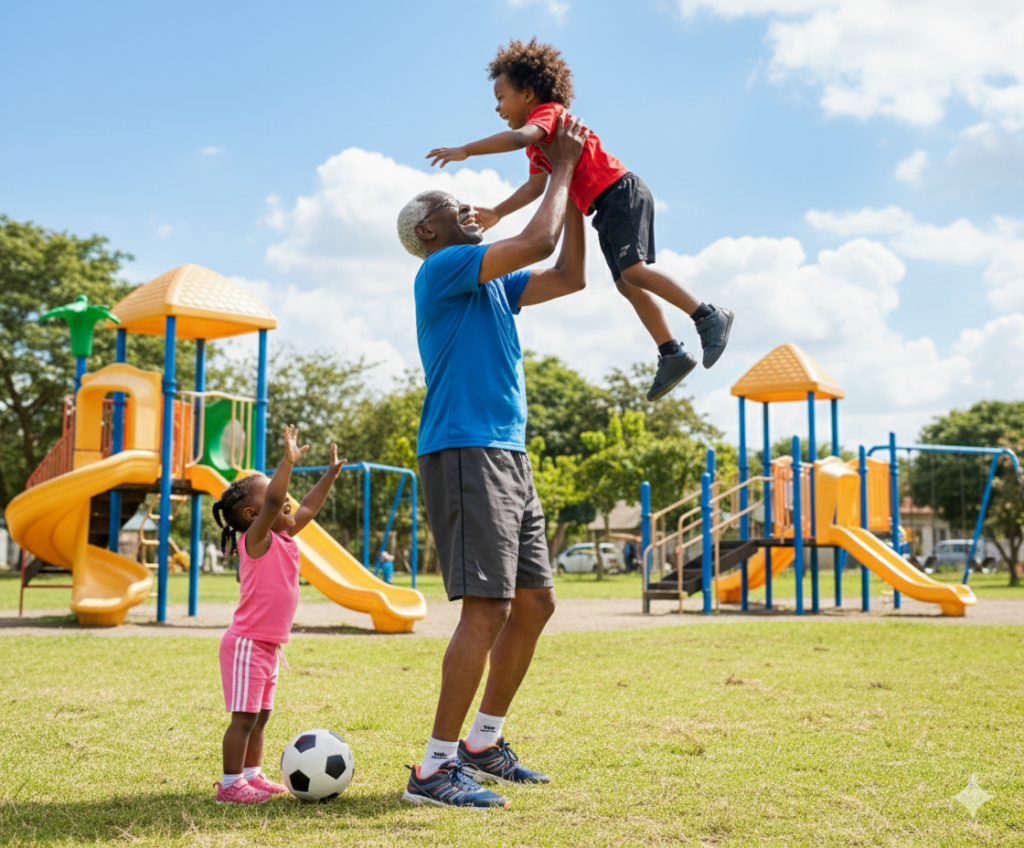
Something as simple as a walk in the park or along a nature trail can turn into a mini adventure when little eyes are invited to notice chirping birds, curious bugs, or fascinating plants along the way. In those moments, exercise stops feeling like “exercise” and starts feeling like discovery. And that’s where the magic happens, children move, explore, connect, and grow, all while having a great time.
Physical activity does so much more than keep children healthy, it gently builds their confidence, sharpens their coordination, and opens the door to friendships formed through laughter and play. When movement is joyful and pressure-free, children begin to associate being active with fun, not obligation.
Philip Namasaka.
How Sports and Exercise Benefit Children
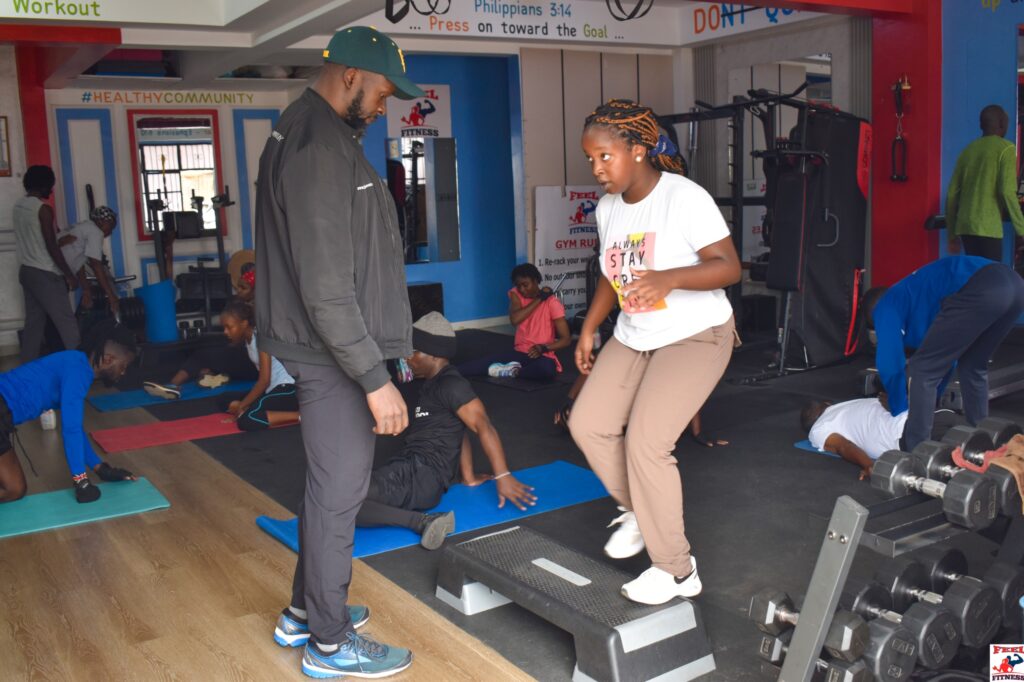
Physical activity supports far more than strong muscles. It improves concentration, boosts self-esteem, sharpens mental awareness, strengthens bones, and promotes a healthy heart.
Best of all, children don’t need gyms or organized sports to stay active.
Ask Your Child How They Feel About Exercise
Parents often assume children are motivated by the same goals they are, but that’s not always true. When children understand why they are active, their motivation and consistency improve. If a child struggles in a sport or feels pressured to perform, exercise can quickly become negative. Talk to your children. Ask what they enjoy. Let them explore different activities and choose what feels right for them. Avoid forcing participation. Encouragement builds confidence; pressure often does the opposite.
Simple activities like bear crawls, swimming, skipping rope, and fun obstacle courses are effective and enjoyable. Keep activities age-appropriate, safe, and playful.
W.H.O
Be a Positive Role Model
Children learn far more from what we do than what we say. You can give the best lecture on exercise in the world, but if your idea of cardio is walking to the fridge, they’ve already noticed. When parents actually enjoy being active, children are much more likely to join in.
Being active together sends a powerful message: movement is normal, fun, and nothing to be afraid of. Healthy habits are often caught before they are taught, usually while laughing, sweating, or attempting a squat with questionable form. So if you want active children, don’t just tell them… lace up your shoes and lead the way.
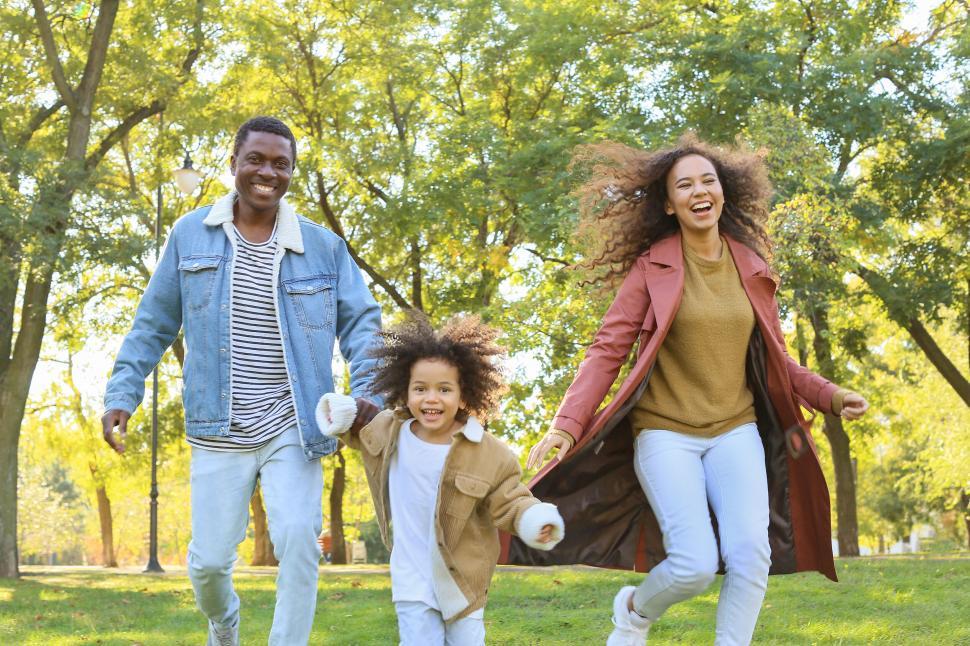
Inspire Commitment, Not Just Participation
While fun is important, children also benefit from learning commitment and resilience. Encourage them to work through challenges instead of quitting at the first difficulty.
Sports and physical activity teach lessons that extend far beyond fitness, discipline, teamwork, perseverance, and confidence. These qualities shape character and support success in everyday life.
Make It Fun. Keep It Simple.
Many adults associate exercise with punishment because that’s how it was introduced at school. Extra laps, push-ups, or running as discipline created negative associations that lasted into adulthood.
Let’s change that story for our children. Movement should be joyful, playful, and pressure-free. Play improves academic performance, emotional health, and social skills. Exercise should never feel like punishment.
Coach Phil.
Coach Phil’s Corner.
Choose movement over convenience. Choose play over screens. Take a walk, kick a ball, dance at home, or explore a nearby trail together.
These moments may feel small, but they build strong bodies, confident minds, and healthier futures. Start today, your child is watching, and they’re ready to follow.