From years of coaching, cueing, correcting, and occasionally calling people out (with love), I have learned universal truth in fitness:
Leg day is sacred.
If you want thighs that can save lives or at the very least, carry you confidently through life, you must be willing to put in the work. Skipping leg day is like building a house and deciding the foundation is “optional.” Sure, it might look fine at first… until everything starts cracking.
And trust me, your body always tells on you. Tight hips. Wobbly knees. A strong chest sitting on top of legs that look like they belong to someone else.
So be honest for a second, are you one of those people who mysteriously “forgets” gym day when the program says lower body? Don’t worry. I’ve seen you. Let’s fix it.
Why Lower Body Training Is King (Science Agrees)
Most people chase upper-body aesthetics because abs and arms photograph well. But physiology doesn’t care about Instagram angles.
Your lower body houses the largest muscle groups in the body glutes, quadriceps, hamstrings, and adductors. When trained well, they drive overall strength and power. They improve posture and joint health, increase calorie burn and hormonal response. They also reduce injury risk in both training and daily life. Movements like squats and deadlifts don’t just work legs, they challenge the entire kinetic chain, forcing your core, back, hips, and even grip strength to cooperate.
Moral of the story:
Your upper body may turn heads, but your lower body turns you into a functional, resilient human being.
The Real Problem: Muscle Imbalance (And Why You Feel “Off”)
Here’s what I see weekly as a coach:
- Strong quads, weak glutes
- Dominant right leg, lazy left leg
- Tight hip flexors, sleepy hamstrings
- Knees doing the work hips should be doing
This is what happens when lower-body training is rushed, skipped, or treated like punishment instead of purpose. Muscle imbalance doesn’t just limit performance, it steals efficiency. Your body starts compensating. Knees ache. Lower backs complain. Form breaks down. Progress stalls.
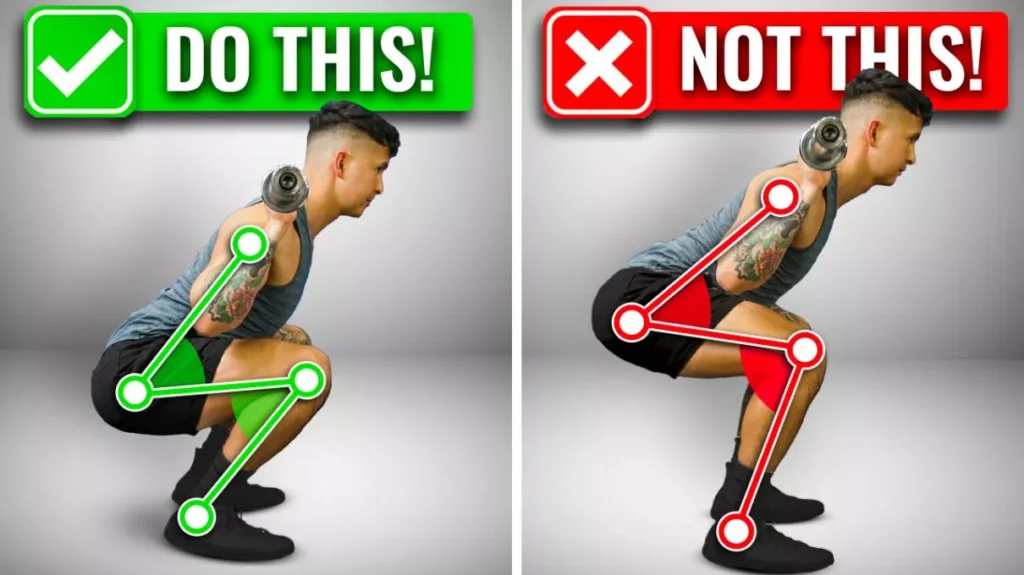
I’ve worked with clients who could bench impressive numbers but the moment real life showed up, things fell apart. Stairs became a negotiation, standing on one leg felt like a trust exercise gone wrong, and sitting down or getting up required strategy, prayer, and sometimes sound effects. That’s not strength. That’s imbalance in disguise… with a gym membership.
Train Movement Patterns, Not Just Muscles
Forget “glutes today, quads tomorrow.”
I coach movement patterns, because life doesn’t happen in isolation.
(a) Knee-Dominant Movements
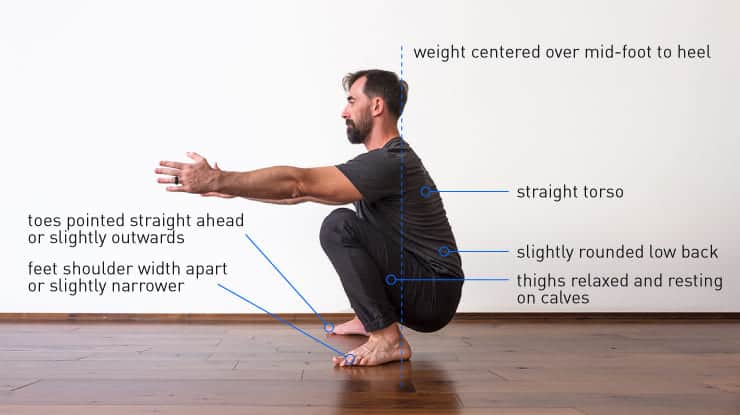
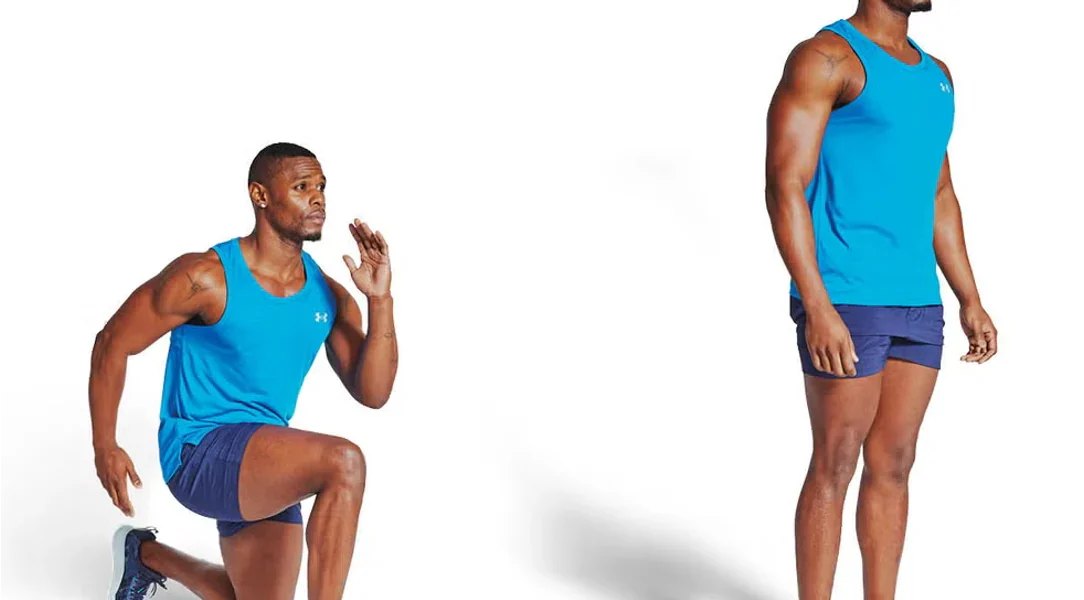
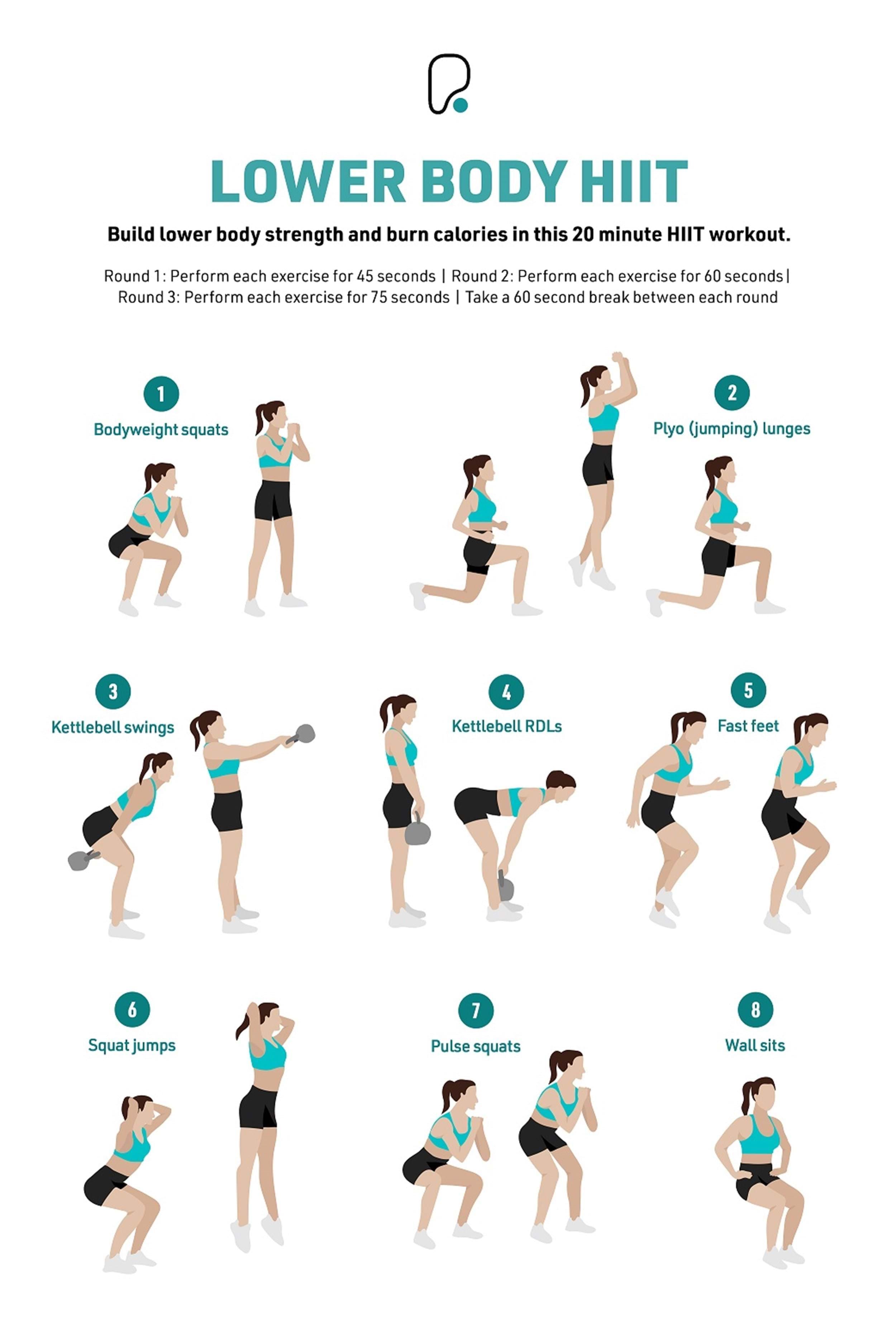
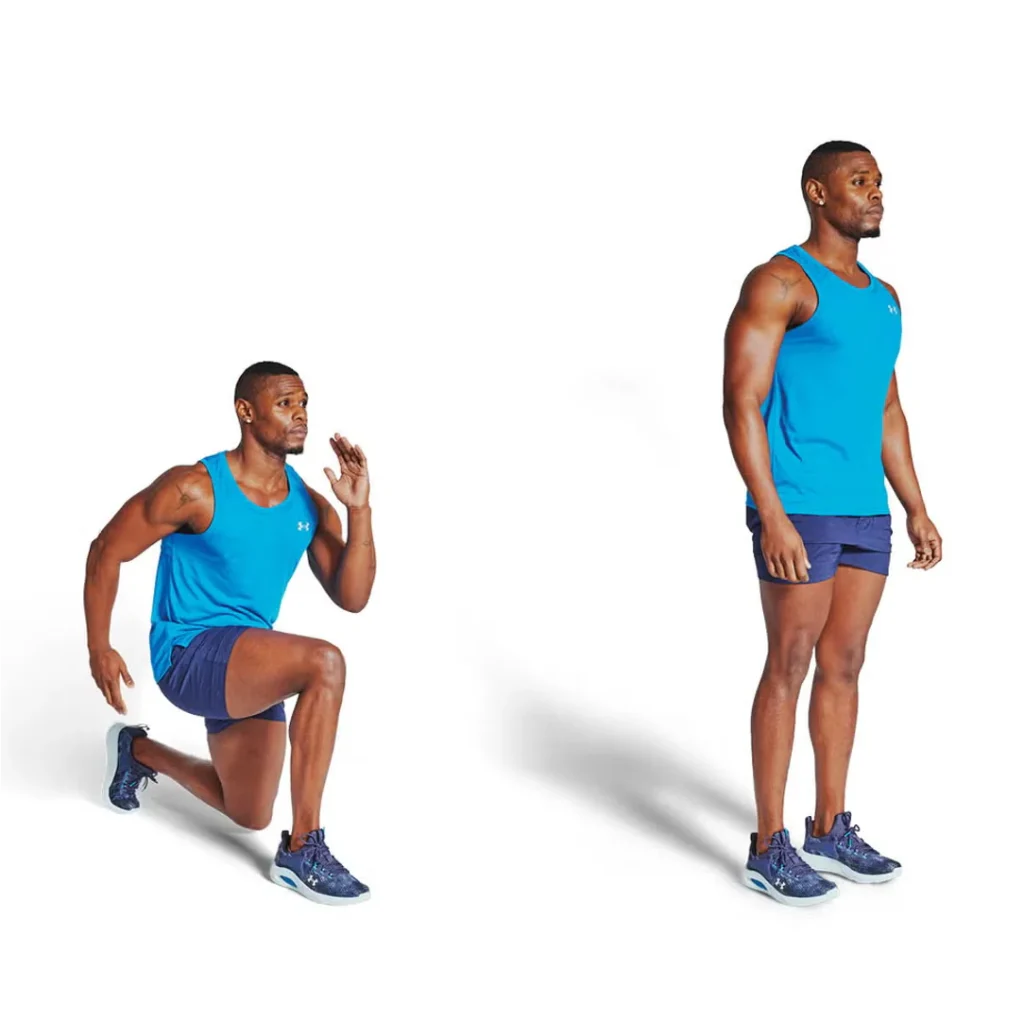
Think squats and lunges.
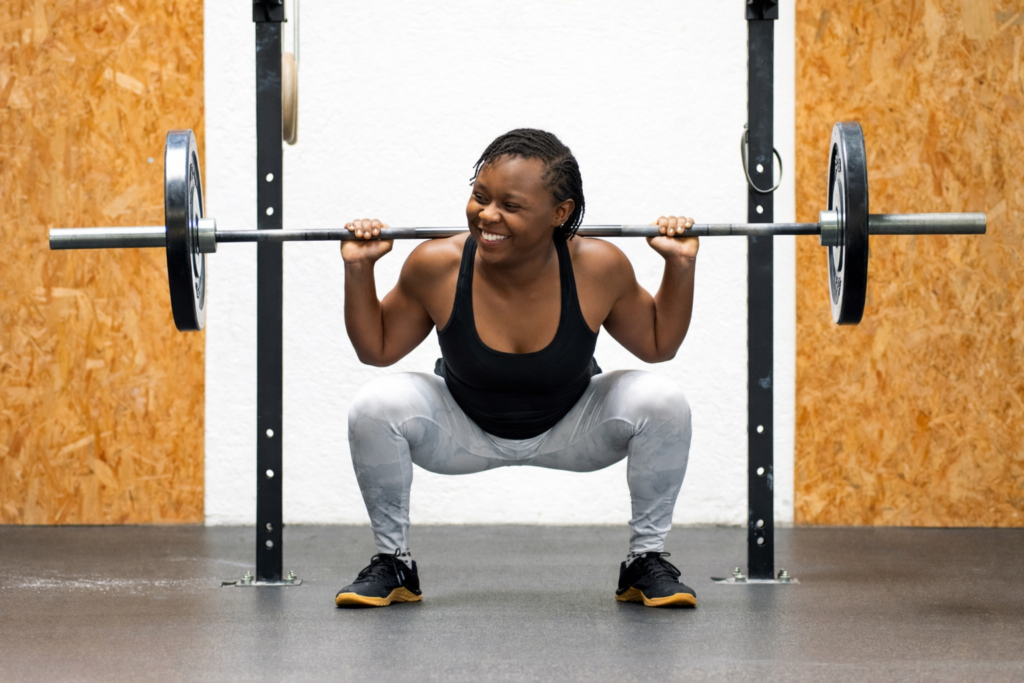
These are your bread and butter for knee strength, control, and stability. Bodyweight, dumbbells, barbells, it all counts. What matters is clean form and full range.
Warm up properly. Control the descent. Own the movement.
Because no one wants knees that sound like a creaky door in a horror movie.
(b) Hip Hinge Patterns
Deadlifts and back extensions, baby.
This is where glutes and hamstrings wake up and start doing their job. A strong hinge:
- Protects your lower back
- Improves lifting mechanics
- Powers running, jumping, and daily movement
When hip mobility is poor, everything else suffers. Stretch, hinge, strengthen and repeat.
(c) Bridge Patterns
Hip thrusts and bridges.
Often ignored. Always needed.
If your glutes aren’t firing, something else will overwork and usually complain later. These movements restore balance to the posterior chain and yes… they also build a strong, confident backside. No apologies there.
(d) Isolation Work (The Polish)
Compound movements build the house.
Isolation work paints it nicely.
Hamstring curls, leg extensions, and controlled single-joint work help correct asymmetries, improve joint stability and reinforce weak links. This is where balance becomes visible.
Leg Day Is My Monday Motivation (A Real-Life Habit)
For over a decade, my Mondays have been leg days.
Why? Because nothing sets the tone for the week like choosing the hardest thing first. It’s not just physical, it’s psychological. You walk out knowing, “If I handled that, I can handle anything.”
Think of it as giving your week a running start… or better yet, a squatting start.
Try it. Swap chest day for leg day on Monday and watch how your mindset and your movement change.
Don’t Skip the Single-Leg Stuff (This Is Where Balance Lives)
Squats and deadlifts are powerful.
But single-leg work exposes the truth.
Lunges, step-ups, split squats, these movements:
- Reveal left-right imbalances
- Improve coordination and core control
- Reduce injury risk
And yes, sometimes they humble you. A little wobble, a little laughter, and a big reminder that strength isn’t always symmetrical.
Training your lower body doesn’t just make you stronger; it makes you a better mover in daily life. From climbing stairs to sprinting after the bus, your legs are your powerhouse. Skip leg day, and you’re not just skipping a workout, you’re skipping a chance to level up.
Coach Philip Namasaka
Coach Phil’s Corner.
So, my dear leg-day dodgers, stop skipping and start squatting.
Your future knees will thank you. Your posture will improve. Your confidence will rise. And one day, you’ll realize you’re moving through life with ease, power, and balance. Strong legs don’t just look good.
They carry your calling. See you on leg day