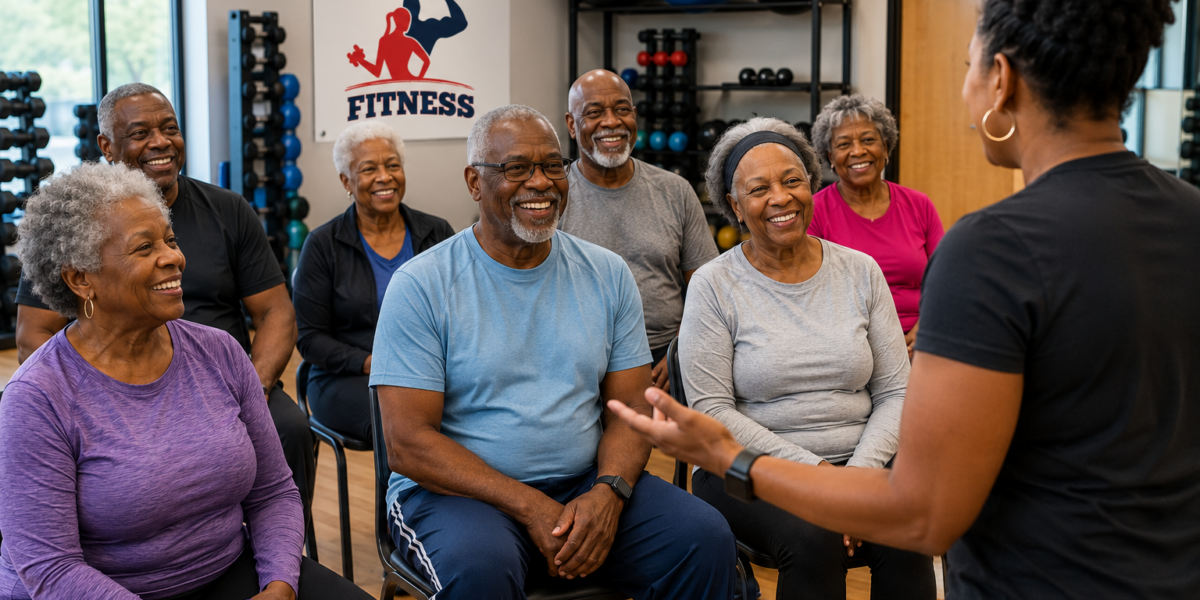
Working with older clients is nothing like training a 25-year-old who wants six-pack abs. It’s richer, more rewarding, and honestly, more important.
As the world gets older, fitness professionals who truly get older adults will be the ones making the biggest difference. And here’s the secret: your clients don’t just want a workout. They want someone who sees them, hears them, and doesn’t treat them like they’re made of glass.
First Impressions Are Everything (No Pressure)
Older clients often walk through the door carrying some baggage of a kind. It could be in the form of old injuries, bad experiences, an underlying medical condition or a doctor who said “you really should exercise more” with zero further instruction. Your job from day one is to make them feel safe, not stressed.
Listen more than you talk. Ask about their life, their family, what they loved doing ten years ago. Show genuine curiosity. People can tell the difference between a coach who cares and one who’s just watching the clock.
And please …..ditch the assumptions. A 55-year-old might want to deadlift. An 80-year-old might want to walk their dog without holding onto the fence. Everyone is different. Treat them that way.
Start with mobility, balance, stability and foundational strength. Let the body guide the pace and remember, recovery takes longer with age, and that’s not a limitation, it’s just biology.
Coach Phil
Make Exercise Mean Something
Here’s a truth most fitness content glosses over: older adults are rarely training for aesthetics. They’re training for life.
So connect the dots for them. Squats aren’t leg exercises, they’re “getting off the sofa without assistance” training. Balance work is fall prevention. Grip strength means carrying groceries without a crisis. When clients understand why they’re doing something, they actually show up and do it.
Bonus points for exercises that multitask. Marching in place? That’s cardio, coordination and balance in one move. Functional training isn’t a buzzword here… it’s the whole point.
You Don’t Need to Be Their Age to Connect With Them
Younger trainers often panic about working with clients old enough to be their grandparents. Relax. Connection isn’t about age, it’s about genuine human interest.
Let them tell their stories. Laugh at the good ones. Older clients carry decades of wisdom, perspective and life experience, and most of them are delightful company once they trust you. Ask about the grandkids, the garden, the glory days, and mean it.
Be consistent. Be on time. Follow through on what you say. Older adults have finely tuned nonsense detectors, and nothing kills rapport faster than flakiness or a condescending tone. Talk with them, never down to them.
Let’s Kill Some Myths While We’re Here
“They’re all the same.” Wrong. People actually get more individual as they age. Two 70-year-olds can have completely different fitness levels, goals and health profiles.
“They can’t handle technology.” Many older adults are perfectly comfortable with smartphones and fitness apps. They just don’t need a TikTok tutorial to feel motivated.
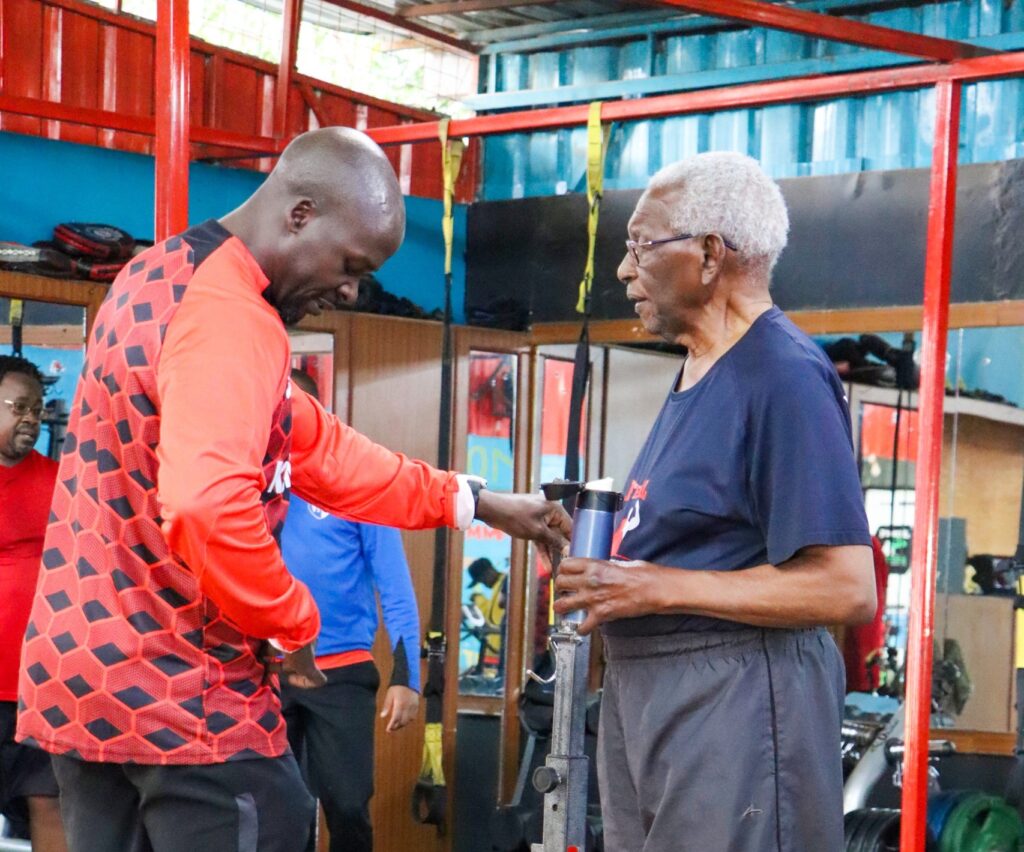
“Old automatically means frail.” Some people in their seventies will out-squat, out-walk and out-last clients half their age. Never underestimate someone based on their birth year.
“They can’t improve.” This one is the most damaging myth of all, and the most wrong. Strength, mobility, balance and endurance can all improve with age, given the right coaching and consistency. The research is clear. The results are real.
Build an Environment They Actually Want to Come Back To
Safety matters, good ambiance, music that isn’t too loud, good lighting, clear walkways, no obstacle courses between the door and the squat rack. But beyond the physical setup, the vibe matters just as much. Ask them for their favourite music, and play it.
Individualize programs. Encourage progress loudly. Build community where you can, through group sessions, friendly check-ins, a culture where everyone belongs. Older adults thrive when they feel like part of something, not like an afterthought.
The Bottom Line
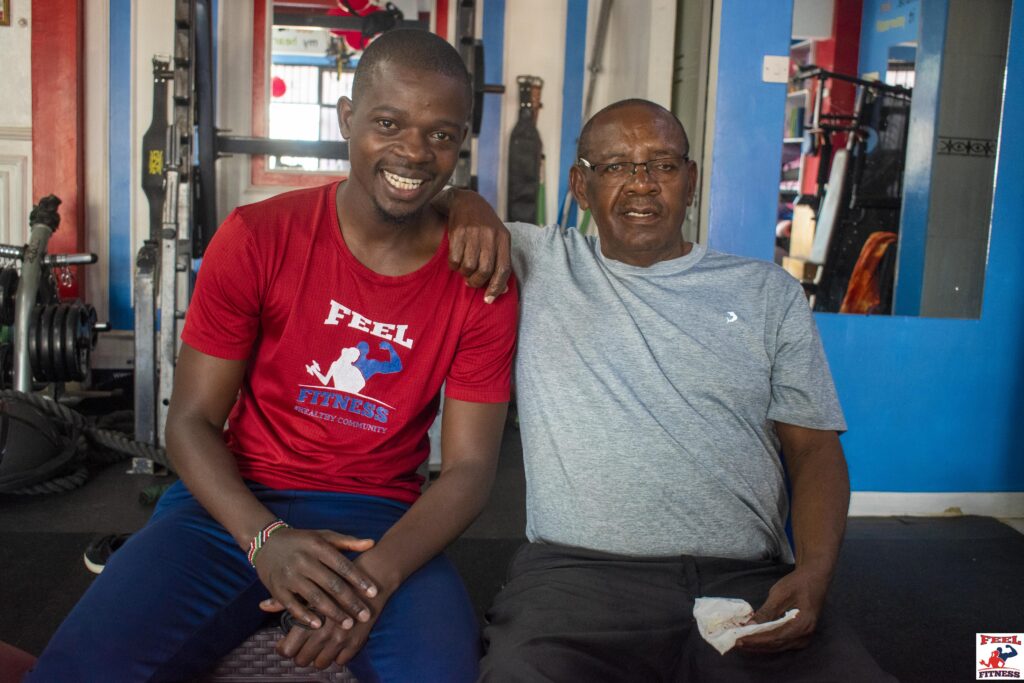
Training older adults isn’t just exercise programming. It’s helping people stay independent, stay dignified, and stay themselves for as long as possible.
Be patient, consistent and be genuinely encouraging, not in a patronizing, gold-star-sticker way, but in a I-see-what-you’re-doing-and-it-matters way.
Do that well, and a workout stops being a workout. It becomes a reason to get up in the morning.
As the global population continues to age, more fitness professionals are being called upon to help older adults remain active, independent and healthy. The good news is that older adults are not looking only for workouts. Meaningful connection, guidance and support are often valued just as much as the exercises themselves.
Fitness Professionals Association of Kenya
Working with older clients goes far beyond counting repetitions or designing exercise routines. A deeper understanding is required of their unique needs, experiences and motivations. An environment where trust, encouragement and empowerment are prioritized tends to create the greatest impact on their fitness journey.
2 Comments
Comments are closed.