Why walking and strength training should go hand in hand
One of the most powerful things that can be done for long-term health is also one of the simplest. Walking. No expensive equipment is required. No gym membership is necessary. Just a comfortable pair of shoes, a little time, and the willingness to move. I walk almost every day, and over the years, I have come to appreciate just how much can be achieved through this simple activity. But what actually happens to the body when we walk?
After 10 minutes
Blood circulation increases, the heart begins working a little harder, and more glucose is used by the muscles to produce energy. Even a short walk after a meal can help regulate blood sugar levels.
After 20 minutes
As you continue walking, your body burns more energy, and your working muscles absorb more glucose from the bloodstream. Interestingly, muscle contractions help your muscles take up glucose through mechanisms that do not rely entirely on insulin, supporting better blood sugar regulation. This makes walking particularly beneficial for metabolic health.
After 30 minutes
The benefits extend beyond the physical body. Walking can lift your mood, ease feelings of anxiety, and sharpen your mental clarity. Sometimes, all you need after a demanding day is a simple walk outdoors to clear your mind, release tension, and recharge your energy.
After 60 minutes
Longer walks increase energy expenditure and challenge your cardiovascular system for an extended period. When you walk briskly and consistently, you strengthen your heart, improve aerobic fitness, build endurance, and support better cardiovascular health.

After 120 minutes
Longer walks help you burn more calories, depending on your walking speed, the terrain, and your fitness level. Research also links higher daily step counts to a lower risk of premature death.
However, these benefits are not restricted to particular time milestones. They accumulate with regular participation, and longer walks are not necessarily better for everyone.
The good news? You do not need to walk for two hours to experience meaningful health benefits. Walking is medicine for the heart, the brain, metabolism, and mental well-being. But there is something important that walking alone may not adequately address
Coach Phil-Fitness and Wellness Coach
Strong Muscles and Strong Bones Require More
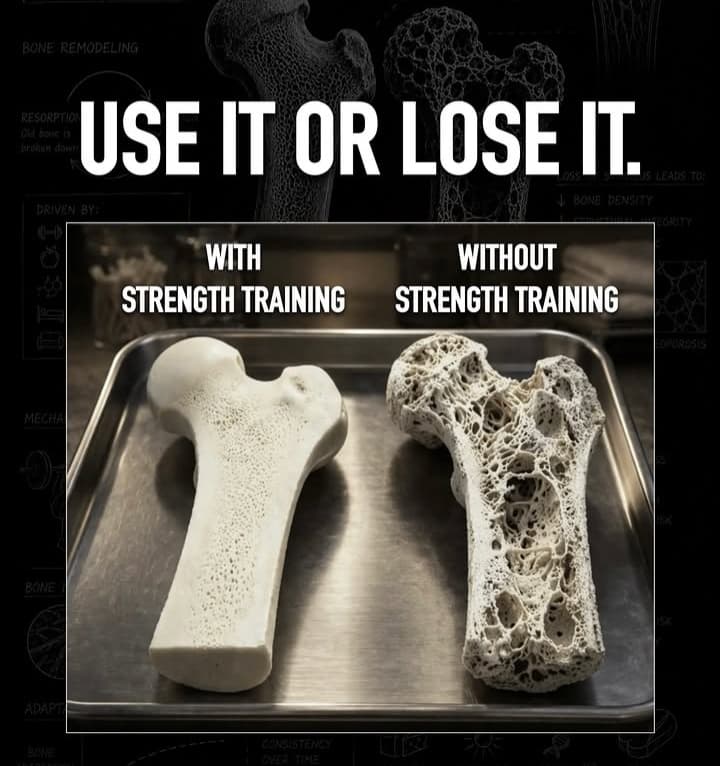
As we grow older, muscle mass and bone strength can gradually decline. Without appropriate physical activity, everyday tasks such as climbing stairs, carrying groceries, getting out of a chair, or maintaining balance can become increasingly difficult. Although walking provides some weight-bearing stimulus, it may not be sufficient to preserve or significantly improve bone strength, particularly as we age. Strength training exposes bones to mechanical loads that may help maintain or improve bone mineral density.
Our bones are living tissues. Within our bones, specialized cells called osteocytes detect mechanical strain and coordinate how bones respond and adapt to physical activity. When we consistently challenge our bones through appropriate physical loading, we stimulate them to maintain their strength, density, and structural integrity. This is where resistance training becomes particularly valuable.
Through progressive resistance exercises such as squats, lunges, deadlifts, and other appropriately prescribed movements, muscles are strengthened and bones are exposed to mechanical loads that may help maintain or improve bone density.
Coach Phil-Sports and Exercise Scientist
Resistance training also improves balance, coordination, and functional ability, helping reduce the risk of falls and maintain independence as we age. And no, resistance training is not just for bodybuilders or young athletes. People of different ages and fitness levels can benefit from it. With proper guidance, we can adjust exercises, resistance, and intensity to suit each person’s ability, fitness level, and health status.
The Goal Is Not Simply to Live Longer, but to Live Better
A longer life is certainly desirable. But what quality of life can we enjoy if we lose our independence, mobility, and physical strength? We should never take for granted the ability to walk comfortably, lift everyday objects, play with our grandchildren, travel, participate in community activities, and manage our daily lives without depending on others.
We build and maintain these abilities by staying physically active throughout our lives. Keep walking. Make strength training part of your routine. And above all, prioritize consistency over intensity. The goal is not simply to live longer, but to remain strong, mobile, and independent enough to enjoy the years we live.
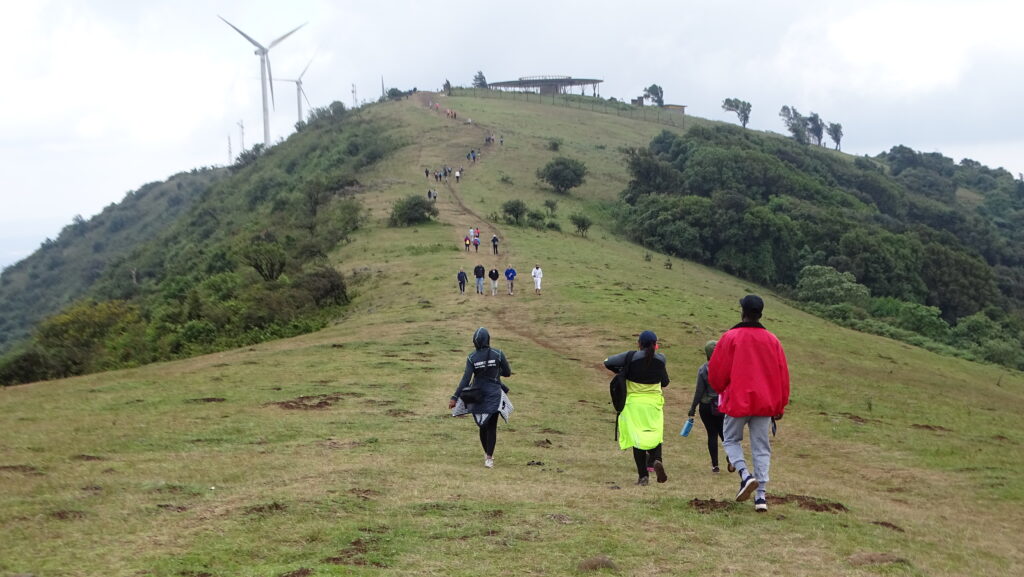
For general health, adults are encouraged to accumulate at least 150 minutes of moderate-intensity aerobic activity each week, alongside muscle-strengthening activities on at least two days. Walking and resistance training are not competing activities. They complement each other. Walking supports cardiovascular and metabolic health. Resistance training strengthens muscles, supports bone health, and improves the physical capacity required for everyday living. Together, they provide a stronger foundation for healthy ageing.
So, keep walking. But do not forget to lift something too!
Because the ultimate goal of exercise should not simply be to add years to life, but to add strength, function, independence, and quality to those years.
Move regularly. Build strength. Age with independence.