

By Philip Namasaka | Fitness Coach and Holistic Wellness Advocate
When was the last time you serviced your car?
I am talking about changing the engine oil, checking the tyres, replacing worn-out parts, or simply taking it to the garage for a routine check-up. Most of us would never knowingly drive a vehicle for years without servicing it. We understand that neglecting maintenance eventually comes at a cost, sometimes a very expensive one. Now, let me ask you another question.
When was the last time you took yourself for a comprehensive medical check-up?
Not because you were sick or something was hurting, and not because your doctor insisted. Just a deliberate decision to find out how your body was doing. Interesting, isn’t it?
Over the years, working with people from different walks of life, from young athletes chasing performance to older adults fighting to preserve their independence, I have observed something that continues to concern me.
We are often more intentional about maintaining the things we own than caring for the bodies we live in.
We service our cars, upgrade our phones, insure our properties, invest in our businesses, and work tirelessly to secure our financial future. Yet somewhere along the way, we neglect the very body and mind that make it possible to enjoy everything we are working so hard to achieve.
Philip Namasaka-Holistic Wellness Advocate
We sacrifice sleep to make more money, skip meals because we are too busy, spend hours sitting behind desks, ignore persistent stress, and postpone exercise until we find time. And when our bodies begin to complain, we silence the warning signs with another cup of coffee, a painkiller, or the familiar promise, “I will start taking care of myself next week.” Unfortunately, next week has a habit of becoming next month, next year, and sometimes never.
What good is a beautiful retirement home if we have lost the mobility to walk around it?
As a fitness professional, I have spent more than two decades encouraging people to move, build strength, improve their health, and embrace active living. But the longer I work in this profession, the more convinced I become that fitness is not simply about how much weight we can lift, how fast we can run, or how good we look in the mirror.
It is about having the physical capacity, mental clarity, emotional resilience, and energy to participate meaningfully in life. To work, love, raise our children, play with our grandchildren, serve our communities. To pursue our purpose. And, for those of us who profess faith, to remain available for the work God has entrusted to us.
Because what good is financial success if poor health prevents us from enjoying its fruits? What good is a beautiful retirement home if we have lost the mobility to walk around it? And what good is a calendar full of responsibilities if we are constantly exhausted, overwhelmed, and running on empty?
I often remind people that we do not exercise because we expect to live forever. We exercise because we want to live better for whatever years we have been given. The Bible, in 1 Thessalonians 5:23, speaks of the whole person: spirit, soul, and body. It reminds me that human well-being cannot be reduced to just one dimension of our existence.
Our physical, mental, emotional, social, and spiritual well-being are connected. Neglecting one can eventually affect the others. And this brings me to something I believe we all need to reconsider. Taking care of ourselves is not vanity. It is not selfishness. It is stewardship. But what does that stewardship look like in everyday life? I believe it begins with five areas that we often overlook while pursuing success, meeting responsibilities, and trying to keep up with the demands of life.
1. Physical Wellness: Keep Moving While You Still Can
One of the greatest misconceptions about exercise is that it belongs to athletes, bodybuilders, or people trying to lose weight. Nothing could be further from the truth. Physical activity is for everyone, regardless of age, gender, or fitness level. Our bodies were designed for movement, and when we stop moving regularly, we gradually lose some of the physical abilities that make everyday life enjoyable.
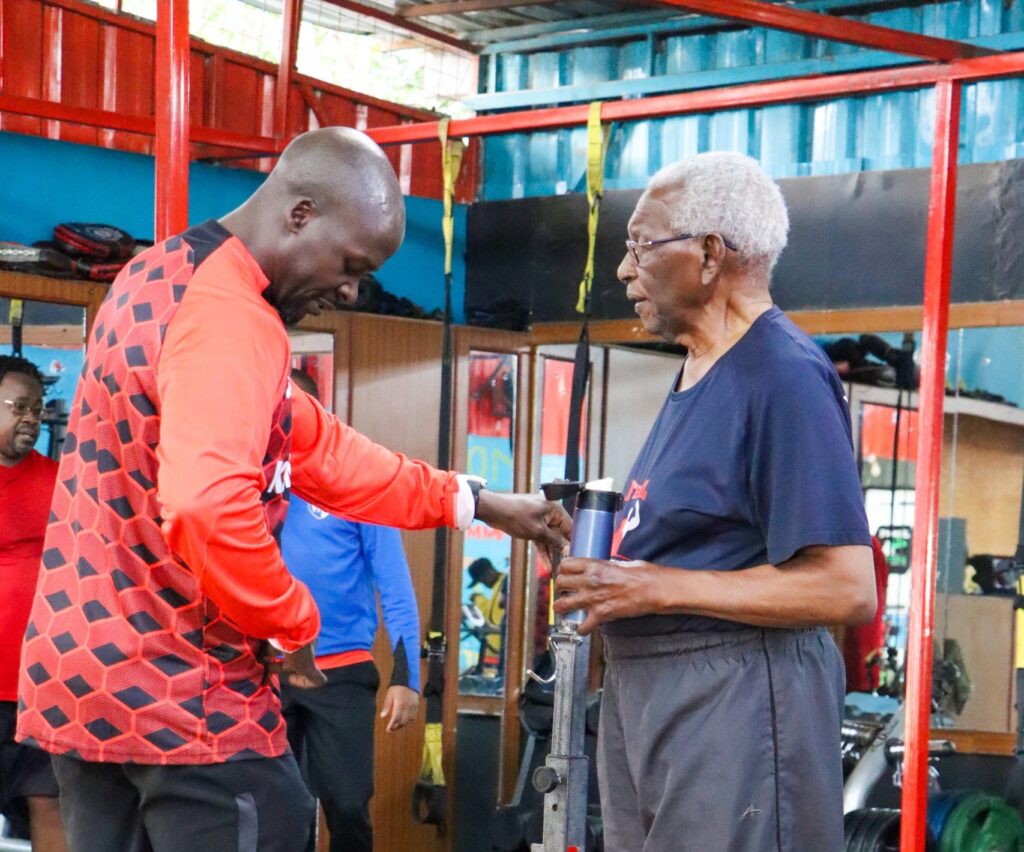
I have worked with older adults who are not interested in running marathons or developing six-packs. Their goals are much simpler, yet profoundly important. They want to climb stairs without struggling, get out of a chair without assistance, carry their shopping, walk comfortably, and remain independent for as long as possible. These are not small achievements. They are expressions of quality of life. Unfortunately, we often begin appreciating mobility, strength, balance, and endurance only when we start losing them.
The World Health Organization recommends that adults accumulate at least 150 to 300 minutes of moderate-intensity aerobic physical activity weekly, alongside muscle-strengthening activities on at least two days. That may sound demanding, but it becomes manageable when we incorporate movement into everyday life.
Simple ways to get started:
- Walk briskly for 20 to 30 minutes most days of the week.
- Include strength training at least twice weekly to preserve muscle and functional capacity.
- Break up prolonged sitting with short movement breaks.
- Take the stairs when practical, walk short distances, and remain physically active throughout the day.
- Schedule appropriate preventive health screenings rather than waiting until symptoms appear.
You do not need an expensive gym membership or sophisticated equipment to begin. Start with what you have, where you are, and build gradually. Remember, the goal is not merely to add years to life, but to preserve the physical capacity to enjoy those years.
Coach Cathy Afrobics
2. You Can’t Out-train Poor Eating Habits
I have encountered people who train consistently but pay very little attention to what they eat. Some assume that because they exercise regularly, they have earned the freedom to eat whatever they want. Others spend considerable amounts of money on supplements while neglecting the quality of their everyday meals. Nutrition does not have to be complicated. Food provides the energy and nutrients our bodies need for movement, growth, tissue repair, immunity, and normal physiological function. The choices we make consistently influence our health far more than the occasional indulgence. And no, healthy eating does not mean abandoning our traditional foods or surviving on salads.

A balanced meal of brown rice, greens, and beans, for example, can provide valuable nutrients. Add variety through fruits, vegetables, whole grains, adequate protein, and healthy fats, and you are already making meaningful progress. Our modern lifestyles increasingly encourage convenience over nourishment. Sugary drinks, highly processed snacks, oversized portions, and irregular eating patterns have become normal for many people. We cannot expect our bodies to perform optimally if we consistently deny them the nutrients they require.
Simple ways to improve your nutrition:
- Include vegetables and fruits in your daily meals.
- Choose a variety of protein sources, including beans, lentils, eggs, fish, dairy, and lean meats.
- Drink sufficient water throughout the day.
- Limit sugary drinks, excessive alcohol, and frequent consumption of highly processed foods.
- Pay attention to portion sizes and establish reasonably consistent eating habits.

And please, do not allow social media to convince you that healthy living requires an expensive collection of powders, blue pills, and miracle products. Most people would benefit more from improving their everyday meals than chasing the latest nutrition trend. You cannot consistently feed your body carelessly and expect it to serve you faithfully.
3. Recovery Is Not a Sign of Weakness
We live in a society that celebrates busyness. People proudly announce that they sleep four hours a night, work seven days a week, and barely find time to rest. Somehow, exhaustion has become a badge of honour. But being constantly busy does not necessarily mean we are being productive. In my years working with athletes and fitness enthusiasts, one lesson has remained constant: training provides the stimulus for adaptation, but recovery allows the body to respond.

The same principle applies beyond the gym. Our bodies and minds require adequate recovery to function effectively. During sleep, important processes support memory, immune function, tissue repair, and hormonal regulation. Most adults need approximately seven to nine hours of sleep each night. Consistently inadequate sleep can affect concentration, mood, physical performance, and long-term health. Yet many of us sacrifice sleep for activities that could easily wait until tomorrow
We scroll through social media late into the night, respond to unnecessary messages, or carry work into hours that should be reserved for recovery. Then we wake up exhausted, irritable, and wondering why everything seems unusually difficult. Sometimes the problem is not a lack of motivation. You are simply tired! Even Jesus, during His earthly ministry, recognized the importance of withdrawing from activity to rest. In Mark 6:31, He invited His disciples to come away to a quiet place and rest.
Practical ways to improve rest and recovery:
- Aim for seven to nine hours of sleep each night.
- Maintain reasonably consistent sleeping and waking times.
- Reduce unnecessary screen exposure before bedtime.
- Create space for relaxation, prayer, reflection, and recreation.
- Learn to establish boundaries around work and other responsibilities.
Rest is not laziness. It is part of responsible living. Even your phone needs recharging. Why do you imagine your body can operate indefinitely on an empty battery?
4. No One Was Created to Walk Alone
One of the most overlooked dimensions of health is the quality of our relationships. We can be physically strong, professionally successful, and financially stable, yet emotionally exhausted and socially isolated. I have come to appreciate that people do not always need another lecture, another motivational quote, or someone telling them to be strong. Sometimes they simply need someone who will listen.
Life comes with disappointments, financial pressures, family responsibilities, grief, conflict, and unexpected challenges. When we carry these burdens without meaningful support, the emotional weight can become overwhelming. Unfortunately, many people have mastered the art of appearing fine while struggling privately.
We smile in public, perform our responsibilities, and respond with the familiar words, “I am okay,” even when everything inside us suggests otherwise. Emotional wellness is not about avoiding difficult feelings. It involves recognizing our emotions, managing stress constructively, communicating honestly, and knowing when to seek support.
Coach Phil-Holistic Wellness Advocate
Healthy relationships also contribute to our sense of belonging, purpose, and overall well-being. This is why I place considerable value on family, friendships, mentorship, faith communities, and opportunities for genuine human connection. Galatians 6:2 encourages believers to carry one another’s burdens. It is a powerful reminder that supporting others and allowing ourselves to receive support are both important.
Simple ways to strengthen relational and emotional wellness:
- Make time for meaningful conversations with family and friends.
- Build relationships where honesty and vulnerability are welcome.
- Learn to listen without immediately judging or offering solutions.
- Establish healthy boundaries and address unresolved conflicts.
- Seek professional mental health support when emotional challenges become difficult to manage.
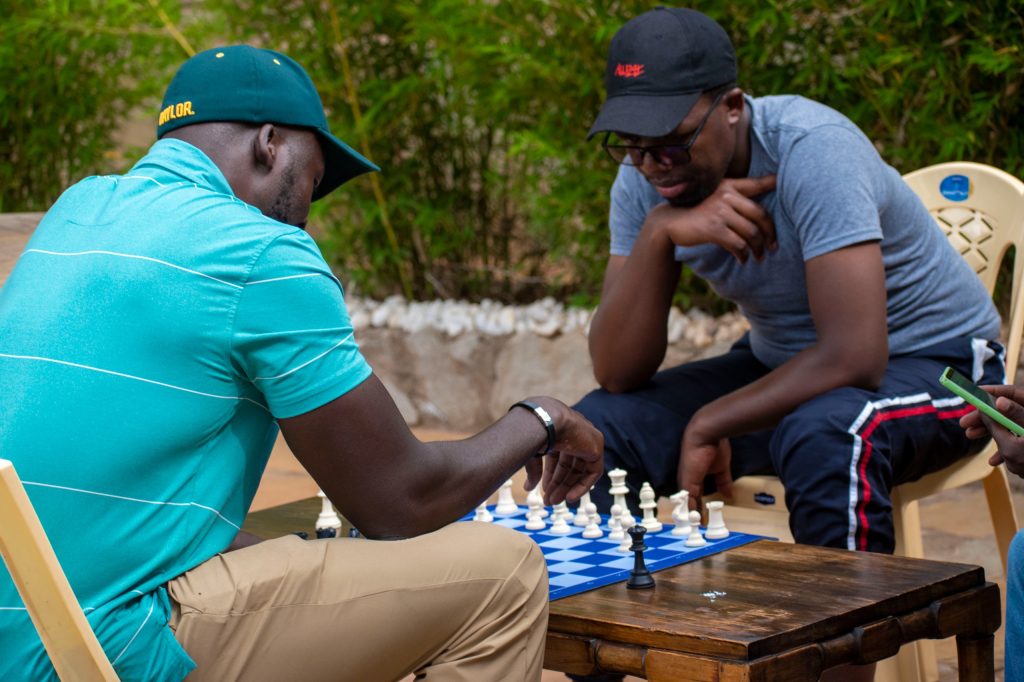
Put your phone down occasionally. Sit with someone. Share a meal. Take a walk together. Ask how they are doing, and give them enough time to answer. And remember to check on the people who always appear strong. They, too, may be carrying burdens that nobody sees. Being strong does not mean carrying every burden alone. Sometimes strength is demonstrated by the courage to ask for help.
5. Discipline: The Small Decisions That Shape Our Future
If there is one lesson that sport, fitness, entrepreneurship, and life have repeatedly taught me, it is that meaningful progress requires consistency. Motivation is wonderful, but it is unreliable. Some mornings you will wake up excited to exercise. On others, your bed will seem unusually comfortable, the weather will provide a convincing excuse, and your mind will present several excellent reasons to postpone your workout. I know that battle very well.
The same applies to nutrition, sleep, relationships, and personal development. We often want dramatic transformations, yet underestimate the power of small actions repeated consistently. A single workout will not transform your health.
One balanced meal will not undo years of poor eating habits. One good night’s sleep cannot compensate for months of chronic sleep deprivation. But consistent, intentional choices can gradually change the direction of our lives. Discipline is not about perfection. It is about developing habits that support the person we want to become.
Feel Fitness
In 1 Corinthians 9:27, Paul uses the discipline of an athlete to illustrate intentionality and self-control. I find that comparison particularly meaningful. Athletes understand that preparation matters. They cannot expect to perform well simply because they desire victory. They must train, recover, nourish their bodies, and remain committed to the process. Life is no different.
Here are five commitments worth making over the next 30 days:
- Move: Make physical activity part of your weekly routine.
- Nourish: Improve the quality of your everyday meals.
- Rest: Protect your sleep and create time for recovery.
- Connect: Invest intentionally in meaningful relationships.
- Commit: Choose one manageable habit and practice it consistently.

Do not attempt to change everything overnight. Start with one or two areas, establish a routine, and build from there. There will be setbacks. There will be days when things do not go according to plan. That does not mean you have failed. What matters is your willingness to begin again. And while healthy habits can improve our well-being and reduce many health risks, they do not guarantee freedom from illness. Health challenges can affect even the most disciplined people. We should therefore approach wellness with responsibility, compassion, and humility rather than judgment.
What Are We Preparing Ourselves For?
As I reflect on the years I have spent coaching people, I increasingly appreciate that the greatest rewards of fitness are not always found in the gym. They are found in everyday moments. The grandparent who can comfortably play with grandchildren. The parent who has the energy to participate in family activities. The older adult who maintains independence. The professional who manages work demands without constantly sacrificing health. The individual who can enjoy a hike, a walk, or a meaningful conversation with friends. These are the things that make healthy living worthwhile.
Our bodies will age. Our physical abilities will change. Some circumstances will remain beyond our control. But we can make deliberate choices today that give us a better opportunity to remain physically capable, mentally engaged, emotionally connected, and spiritually grounded. For me, this is where wellness and faith meet. Taking care of ourselves is not an attempt to control how long we live. Neither is physical fitness a measure of our spiritual maturity. It is an expression of gratitude and responsible stewardship of the life we have been given. We have families to love, responsibilities to fulfil, communities to serve, relationships to nurture, and purposes to pursue. And we need to recognize that our ability to participate meaningfully in these responsibilities is influenced, in part, by how we care for ourselves.
So let me leave you with one question.
If the people you love needed you to remain physically, mentally, and emotionally available for the next twenty years, are the habits you practice today preparing you for that responsibility?
Coach phil-holistic wellness advocate
Perhaps it is time to stop postponing your health until everything else is sorted out. Because the truth is, everything else may never be completely sorted out. Start walking. Build some strength. Eat better. Get enough sleep. Check on your friends. Go for that medical screening. Make time for the people who matter. You do not have to do everything perfectly. You simply need to become more intentional.
We do not exercise to live forever. We exercise to improve the quality of the years we have been given. Let us not merely aspire to live long. Let us aspire to live well, love deeply, serve faithfully, and finish strong.
Philip Namasaka–Sports and Exercise Scientist