As we grow older, fitness takes on a new and more meaningful purpose.
The senior citizens generation has earned the right to take care of themselves, intentionally and without guilt. Many seniors now have the time to train without chaos, the resources to invest in their health, and the life experience to understand what truly matters.
Senior fitness is no longer about appearance or competition. It is about maintaining independence, staying mobile, building strength, improving balance, sleeping better, and feeling capable in one’s own body.
And that shift in motivation changes everything.
Why Senior Fitness Is Different
Over the years in my line of work, I have noticed that when older adults walk into a fitness and wellness space, they are not there to impress anyone. They come with clear purpose, to protect their independence, remain active and present for their families, travel with confidence and less fear of injury or falls, continue working and serving meaningfully, and move through life without pain, stiffness, or hesitation. This kind of motivation is deeply powerful because it is intentional, consistent, and sustainable, forming a strong foundation for long-term health, functional strength, and overall well-being.
The Key Pillars of Senior Fitness That Matter Most
1. Mobility: The Foundation of Independence
Mobility is the ability to move freely, safely, and without discomfort.
For seniors, good mobility means being able to:
- Walk confidently
- Get up from a chair or bed with ease
- Reach, bend, and turn safely
- Maintain joint health and flexibility
Regular mobility exercises, gentle stretching, and low-impact movement help preserve freedom of movement and reduce the risk of injury. Without mobility, independence becomes limited, no matter how strong a person is.
2. Strength Training: Building Protection, Not Bulk
Strength training for seniors is not about chasing six-packs or trying to outlift the person next to you ( although a majority, especially the men still do) those days are happily behind us. It is about building protection. Strong muscles act like natural body armor: they support the joints, improve posture, reduce the risk of falls, and make everyday movements smoother and safer.
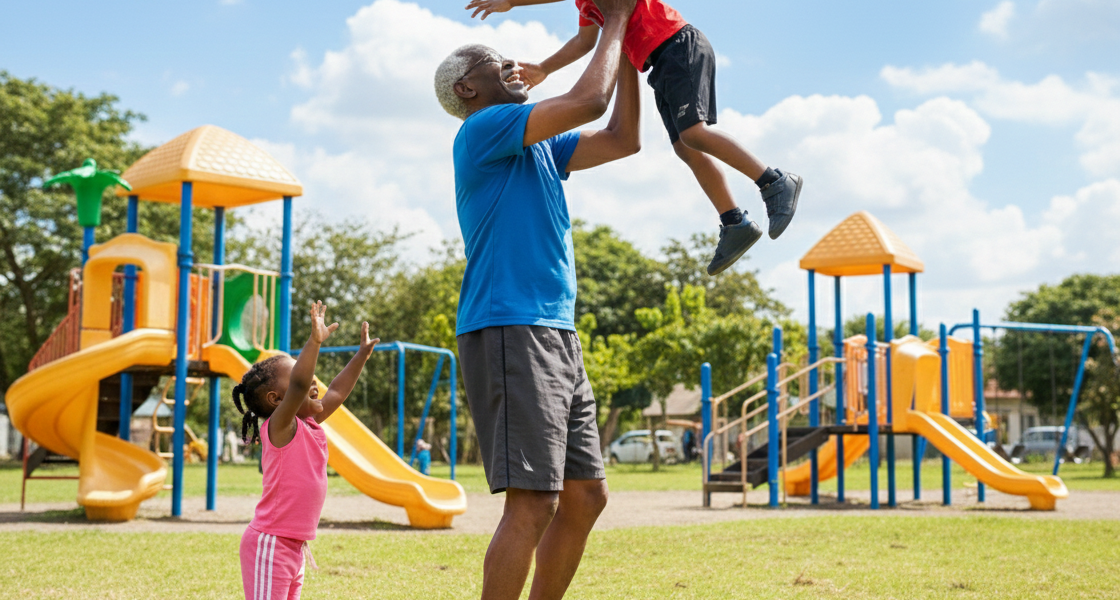
Whether it’s carrying groceries, climbing stairs without gripping the railing for dear life, or lifting grandchildren without calling for backup, strength gives older adults confidence and freedom. The good news? You don’t need heavy weights to get strong. Even light resistance, when done correctly and consistently, delivers powerful results.
Many seniors shy away from strength training, yet it is one of the most critical tools for healthy aging. This is where working closely with a qualified trainer makes all the difference, because at this stage of life, strength isn’t about showing off, it’s about staying capable, protected, and fully in the game.
Coach Philip Namasaka.
3. Balance and Stability: Preventing Falls and Fear
One of the greatest health risks for seniors is falling, but it is also one of the most preventable. Balance and stability training improves coordination, core strength, body awareness and confidence during movement. Simple balance exercises, controlled movements, and functional training help seniors stay upright and reduce the fear that often limits activity as we age.
Retaining core strength is a huge part of healthy aging. Strong core muscles help to support your spine, reduce your back pain, improve your posture, and help you stay active and independent. At Feel Fitness Center, we encourage whole body wellness and physical activity for each and every individual including our honorable senior citizens. Feel free to try our Tuesday, Thursday and Friday morning from 9:00-10:00am for the Senior Citizens Classes.
feel fitness.
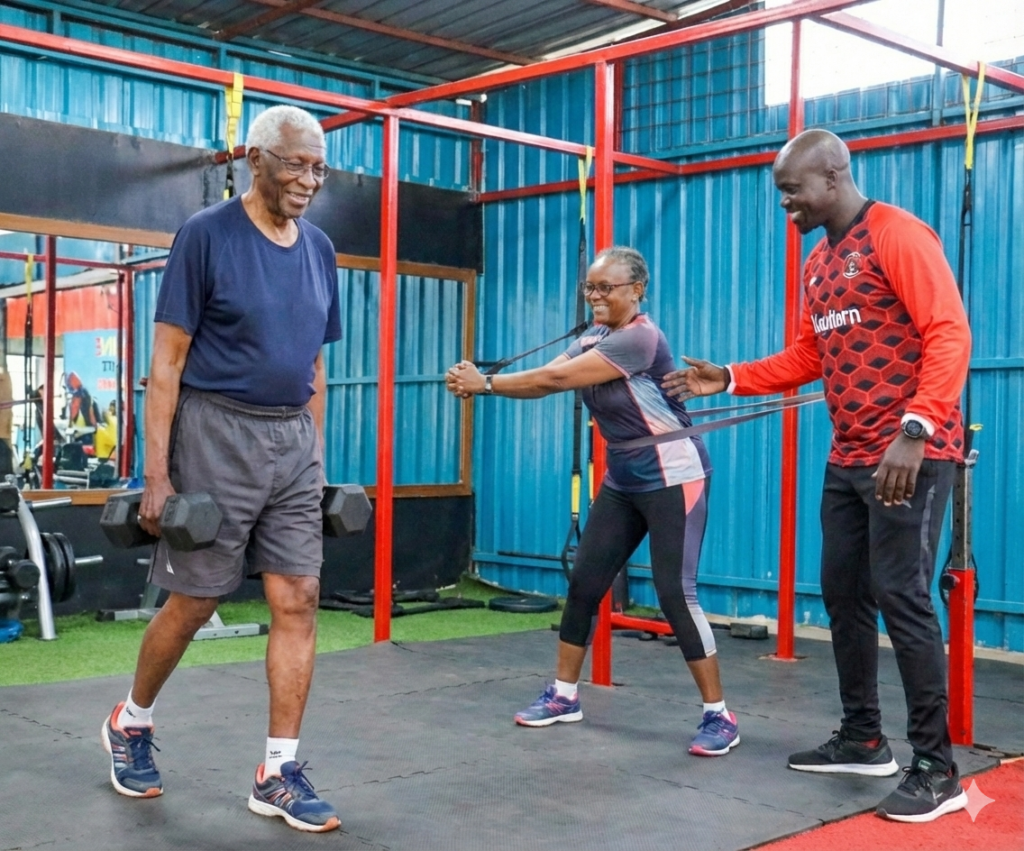
I encourage my senior clients to engage a lot in core movements and some of my most favorites include the famous farmers walks and standing resistance bands rotational pulls. The Trx cables also offer a great variety of options for functional fitness moves while improving core stability and strength at the same time. A strong core acts as a natural brace for the spine, stabilizing the trunk and allowing for freer, safer movement throughout the body, combating age-related decline.
4. Sleep and Recovery: Supporting the Body’s Healing Process
Quality sleep is often the forgotten cousin in fitness conversations, not just in senior programs, but across the board, yet it becomes even more critical as we age. The goal of proper exercise is not to leave the body feeling punished; it’s to support better sleep by reducing stress, improving circulation, aiding muscle recovery, and calming the mind.
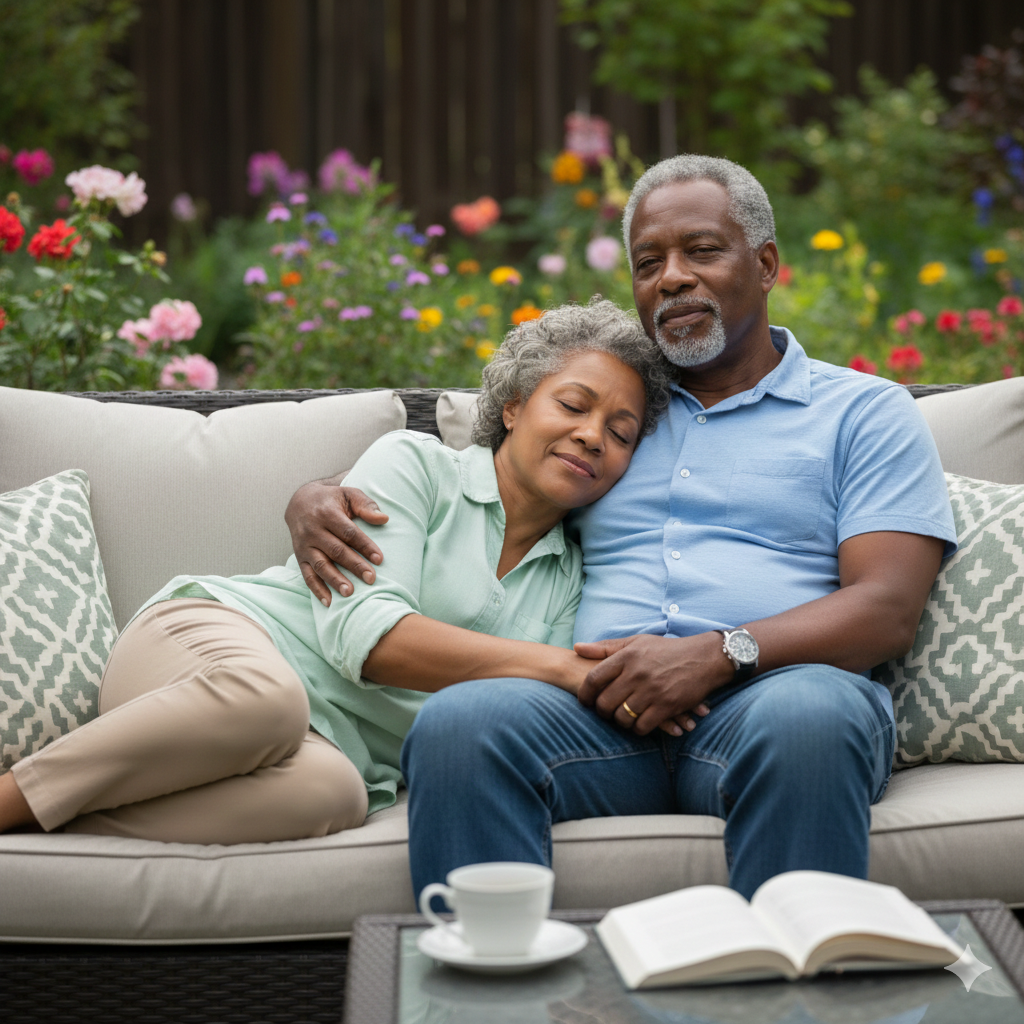
As people age, sleep often becomes lighter, shorter, and more fragmented due to changes in the body’s internal clock, known as the suprachiasmatic nucleus (SCN) in the brain. The SCN regulates circadian rhythms that control sleep, alertness, hormone release, and daily body functions, but its efficiency declines with age, disrupting normal sleep–wake patterns. Reduced exposure to natural daylight, especially among less active seniors or those in care facilities, further weakens these rhythms.
In addition, aging alters hormone production, particularly a decrease in melatonin, the hormone that signals the body to sleep, making it harder for older adults to fall asleep and stay asleep consistently.
https://www.sleepfoundation.org/aging-and-sleep
A well-designed senior fitness program should work with the body, not exhaust it to the point where sleep becomes a struggle. Recovery isn’t a sign of weakness or “taking it easy”, it’s smart training. In fact, if exercise steals your sleep, something is off. Long-term health, strength, and vitality are built just as much in bed as they are in the gym.
5. Feeling Capable: Confidence in Daily Living
Perhaps the most important outcome of senior fitness is capability. As we age, human performance naturally declines, but that decline is neither uniform nor inevitable. In seniors, human performance refers to the overall capacity to carry out the physical, cognitive, and emotional tasks required for daily living, work, and leisure.
While biological changes do occur with age, the rate at which performance declines varies greatly from person to person and is strongly influenced by lifestyle factors, especially physical activity and overall health status. Reaction time, strength, endurance, eyesight, cognitive function, speech, and hearing may all be affected over time, but regular movement and purposeful training can slow this decline, preserve function, and help older adults remain capable, confident, and engaged in life for as long as possible.
Feeling capable means trusting your body, moving without constant fear of injury, knowing your strengths and limits and staying engaged in life on your own terms. This confidence does not come from intense workouts, but from consistent, purposeful movement over time.
Coach Philip Namasaka.
Senior Fitness Is About Longevity, Not Reversal
Fitness for seniors is not about turning back the clock.
It is about:
- Preserving independence
- Enhancing quality of life
- Supporting mental and emotional well-being
- Staying active for as long as possible
With the right approach, exercise becomes a lifelong companion, helping older adults live fully, move freely, and age with dignity.
Final Thoughts
This generation is not late to fitness. They are right on time.
Senior fitness, when done correctly, honors the body’s history while preparing it for the future. It focuses on what truly matters, mobility, strength, balance, recovery, and confidence, so that life can continue to be lived with purpose and joy.