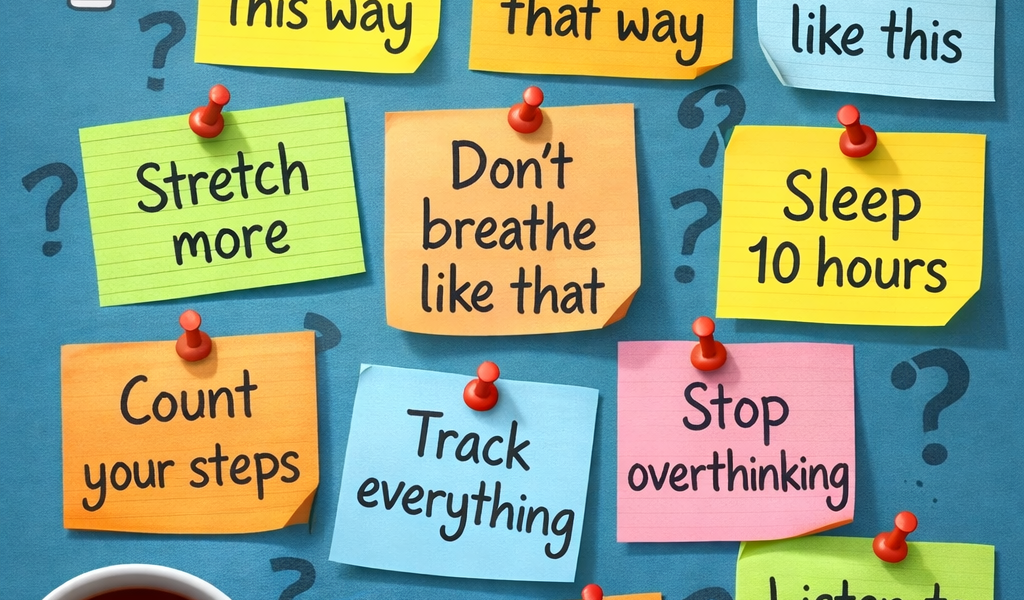
If fitness advice were weights, most of us would be permanently stuck under the bar. Warm up this way. Cool down that way. Breathe like this. Don’t breathe like that. Count your steps. Track your cadence. Stretch more. Stretch less. Sleep 10 hours. Sleep 6 hours. Before long, your workout ends before it even begins, because you’re exhausted just thinking about it.
Getting better at movement doesn’t require doing more. It requires doing a few things better. So instead of drowning in tips, let’s focus on small tweaks that actually make a big difference, plus the unseen habits that determine whether those tweaks stick.
1. Walking: Stop Chasing Steps, Start Walking Well
I’ve met people who proudly hit 10,000 steps a day… and still walk like they’re apologizing to the ground. Step count has its place, but poor walking technique can undo all that effort. Many of us sit too much, drive too much, and then expect our bodies to magically move well when we stand up. The result? Tight hips, lazy glutes, sore knees, stiff backs and confusion about why walking “doesn’t feel as easy as it should.”
Let your arms set the rhythm. Swing them smoothly and a bit faster, and your legs will follow naturally. Avoid over-striding like you’re trying to reach next Tuesday. Big steps load the knees and hips unnecessarily.
feel Fitness
Here’s a cue I love: Peel the back foot off the ground.
What your rear foot does matters more than the one landing in front. When that back foot lifts cleanly, everything lines up better above it. Walking should feel fluid, not forced. If it feels awkward, it’s not because you’re “out of shape”, it’s usually because your body has forgotten how to move well.
2. Breathing: If You’re Shallow, You’re Cheating Yourself
True story: I’ve coached strong, fit people who can squat heavy, run fast… and still breathe like they’re sipping air through a straw.
Shallow breathing limits oxygen, increases tension and quietly drains performance. Worse still, many people hold their breath without realizing it, especially when things get hard.
A simple reset before workouts (and honestly, before stressful meetings too): Place your hands on your belly. Breathe in through your nose and let the belly expand. Then exhale slowly with a soft “haaa” sound, squeezing the abs at the end like you’re fogging up a mirror.
Repeat a few rounds.
It calms the nervous system, strengthens the diaphragm and reminds your body that it’s safe to work, not panic. Breathing well won’t just improve your workouts; it’ll improve how you show up in life.
3. Posture: Thumbs Forward, Chest Open, Confidence Up
Next time you’re walking, quickly check your hands. If your palms face backwards, chances are your shoulders are rounding forward too, hello neck tension, hello desk posture.
One tiny tweak: turn your thumbs forward.
That small rotation opens the chest, externally rotates the shoulders and instantly makes you look taller and more confident. No special equipment. No fancy exercises. Just awareness.
If your posture collapses, your energy usually follows. Stand like you belong in your body.
Coach Phil
4. Strength Training: Slow Down
Some people train like they’re being chased by a deadline.
Fast reps, bouncing weights, zero control and then they wonder why joints hurt or results stall. Who is in control anyway? The weights aren’t in charge. You are.
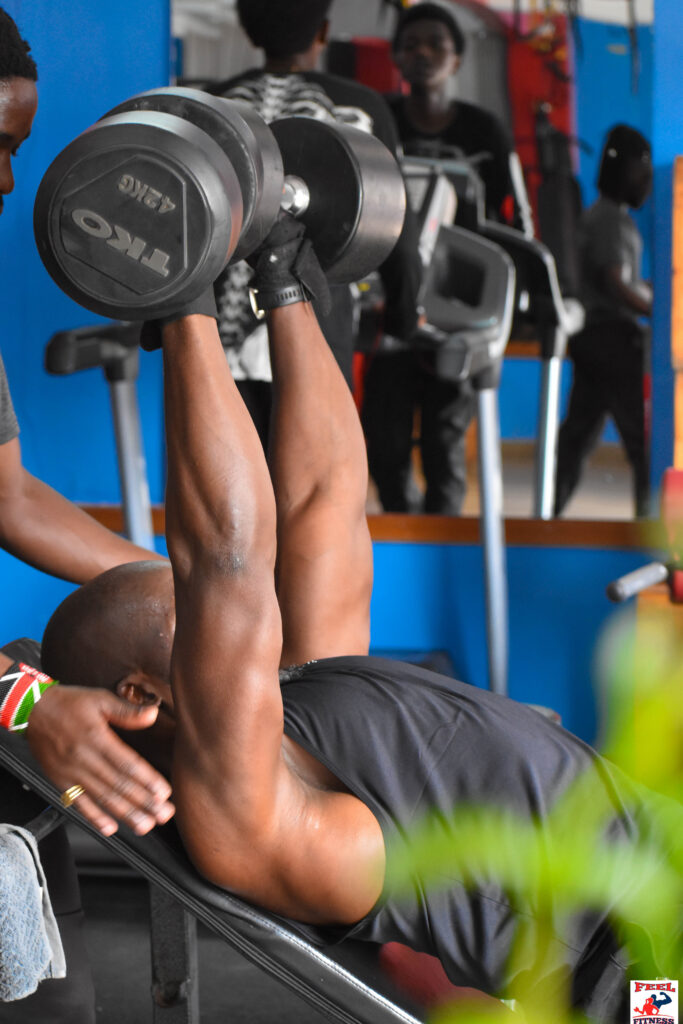
Don’t strength train like you are being chased by a deadline. Instead of rushing, try this rhythm:
Lower for three seconds, pause one second, lift for one second. A bicep curl for example, lower the bar for three seconds, pause for one second at the bottom then raise it within a second.
Try it on the bench press, squat and any other strength training exercise.
That extra time under tension improves control, strength and joint stability. It also humbles the ego very quickly. Suddenly the “light” weight feels… very honest. Slowing down doesn’t make you weaker. It makes you more effective. Strengthening the abdominal, lower and upper back, and shoulder muscles can lead to improved posture. Good posture not only contributes to a more confident appearance but also reduces the risk of musculoskeletal problems.
5. Running: Rhythm Beats Speed
Running faster doesn’t always mean running better.
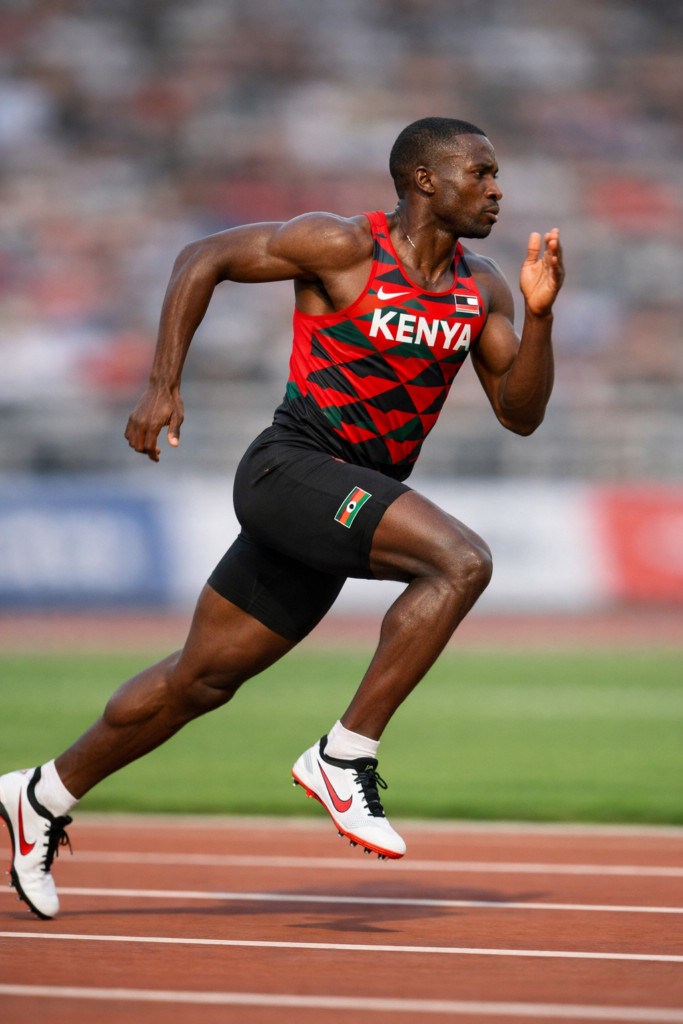
Many recreational runners over-stride, land heavily and wonder why their knees and shins complain. A simple focus on cadence, your steps per minute, can change everything. Efficient runners pick their feet up quickly, using the natural spring of their tendons instead of slamming into the ground. You don’t need to chase a magic number. Just slightly increasing your cadence by about 5% can reduce impact and injury risk. Think light, quick, rhythmic. Not long, loud and dramatic.
Don’t Ignore What Happens Outside the Workout
Here’s the uncomfortable truth:
You can have perfect technique and still struggle if the basics are neglected.
Sleep: Where Fitness Actually Happens
Training breaks the body down. Sleep builds it back up. No sleep? No progress. Coordination drops, motivation disappears and recovery slows. If your workouts feel harder than usual, check your sleep before changing your program.

Recovery: Pay Attention.
Rest days, mobility, stretching and gentle movement are not signs of weakness. They’re how you stay in the game long-term. Burnout usually starts when people confuse consistency with punishment.
Nutrition: Fuel, Not Reward
Food isn’t something you “earn” after exercise. It’s what allows you to exercise well in the first place. Under-fueling leads to poor performance, posture, shallow breathing and sluggish recovery, even if your program is solid.
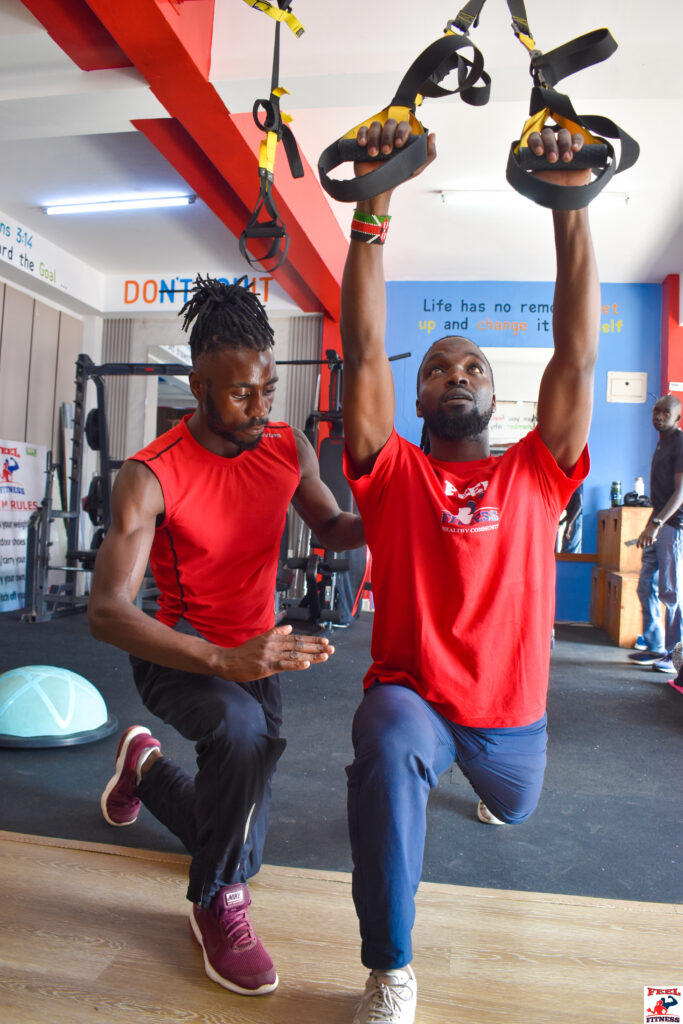
Social Support: The Secret Sauce
People stick to fitness when they feel supported. A coach, a class, a training partner, a spouse, or a community that cheers you on when motivation dips. This matters far more than the perfect program. Most people don’t quit because the workout is bad; they quit because they feel alone. Accountability gives effort a place to land. It reminds you that showing up matters, even on the days you’d rather negotiate with your alarm clock. When someone notices your absence, celebrates your progress, or simply asks, “Are you coming today?” consistency quietly grows roots. Accountability also keeps us honest and human. Left alone, we are world-class negotiators: “I’ll train tomorrow… or Monday… or after this one last snack.” A supportive environment interrupts those excuses with encouragement, structure, and just enough loving pressure to keep moving.
It’s easier to push through discomfort when someone else believes in you, and even easier to laugh at yourself along the way. Fitness was never meant to be a solo sport. We grow stronger together, one shared struggle, one high-five, and one “you’ve got this” at a time.
Coach Phil
Coach Phil’s Corner.
Fitness doesn’t need to be extreme to be effective.
Walk better before walking more.
Breathe deeper before pushing harder.
Move with intention. Sleep well. Eat enough. Recover fully. And don’t do it alone.
Train smart, yes, but also live wisely. Your body is not just something to work on. It’s something to work with.