For a long time, the fitness industry sold us a fairly simple story: Exercise so you can look good. Get the six-pack. Lose the belly. Fit into the dress. Build the arms. Get the famous “beach body.” Apparently, the beach had very strict admission requirements.
There is nothing wrong with wanting to look good. Most of us enjoy looking in the mirror and appreciating the person looking back. But after years of working with people across different ages, abilities and fitness levels, I have become convinced that something important is changing.
People are no longer exercising only because of how they want to look, they are exercising because of how they want to live. And as I look at where fitness is heading, I see four major reasons that will increasingly shape why people choose to move.
1. Longevity: “I Want to Be Strong Enough for My Future”
This one excites me. More people are beginning to think beyond next December, the next holiday or the next wedding where they want to fit into that outfit. They are asking a much bigger question: What kind of 70-, 80- or even 90-year-old do I want to become?
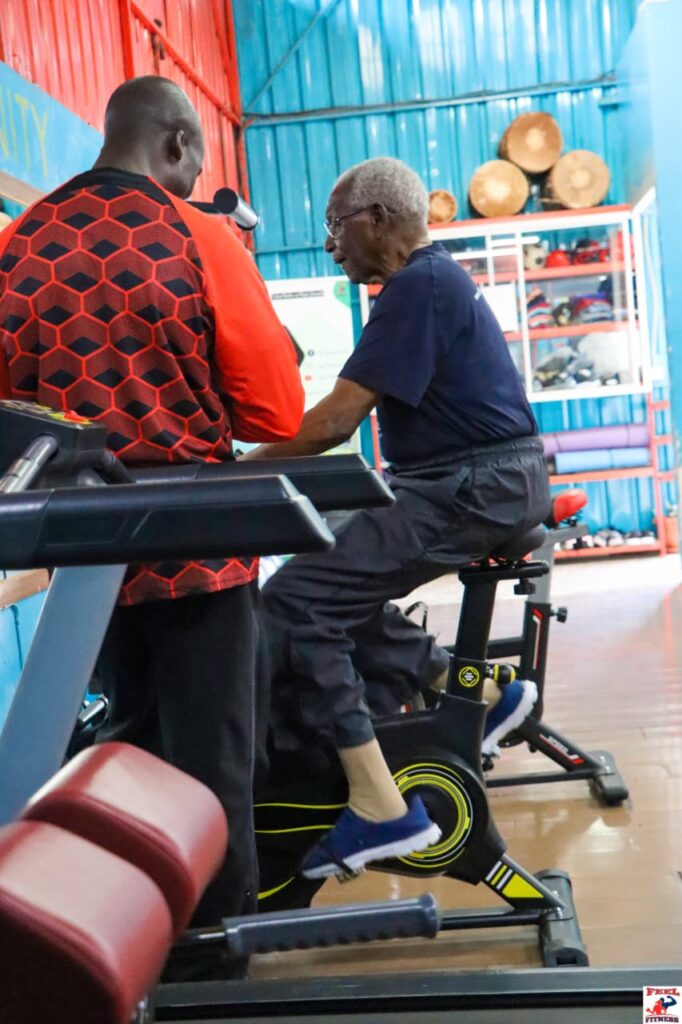
I have had the privilege of training older adults, and one lesson becomes clearer every year: ageing is inevitable, but how we prepare for it matters. Longevity isn’t simply about adding years to life. It is about adding life to those years. Can you get off the floor without needing a rescue operation? Can you carry your own shopping? Can you climb stairs? Can you travel? Can you play with your grandchildren without telling them, “Go and play with Grandma; Grandpa is recovering.”
Strength, mobility, balance and cardiovascular fitness become more than exercise goals. They become part of protecting independence. That is why I increasingly describe muscle as part of our retirement plan. We save money for old age. We should also save strength.
2. Aesthetics and Weight Management: “Coach, I Just Want to Look Good!”
And yes, this one isn’t going anywhere. People still want to lose weight, build muscle, reduce their waistline and feel confident in their clothes. And that’s okay. Sometimes we become so sophisticated in the wellness industry that we almost make people feel guilty for wanting to look good.
Please.
If you’ve worked hard and your favourite shirt suddenly fits differently, please enjoy the moment, you earned it!
For many people, aesthetics are the doorway into fitness. Someone joins the gym wanting to lose five kilograms or finally make peace with the bathroom mirror. A few months later, something unexpected happens: they’re sleeping better, have more energy, feel stronger, their blood pressure may be improving, and their confidence has gone up.
I know because I was once firmly in this camp. I started training because I wanted to look good. Somewhere between the dumbbells and the mirror, I discovered there were far better reasons to keep going.
The muscles got me through the door. Health gave me a reason to stay.
We came for the waistline. We stayed for the life change.
What I hope will continue changing is how we pursue aesthetic goals. Less punishment. Less starvation. Less “I ate chapati yesterday, so today I must suffer.” Instead, we need sustainable nutrition, intelligent training, adequate recovery and patience. Looking good and being healthy do not have to be enemies
Philip Namasaka
3. Performance: “I Want to See What This Body Can Do”
Some people aren’t interested in the mirror. They want the scoreboard.
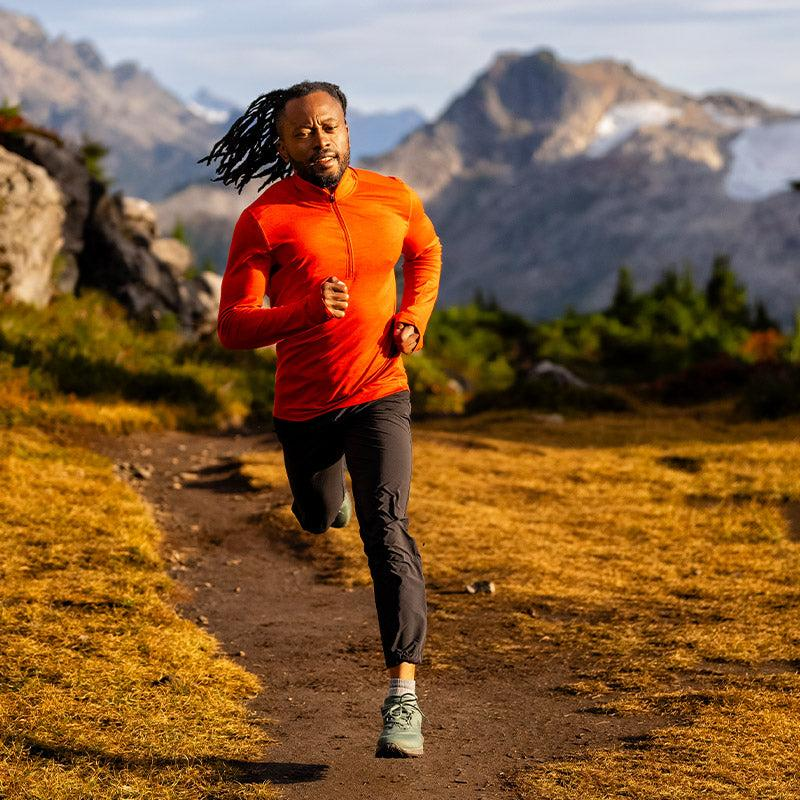
They want to run their fastest 5K, lift a heavier weight, climb a mountain, improve their golf swing, survive a weekend football match with the younger guys, or simply walk up a steep hill without negotiating with God halfway through.
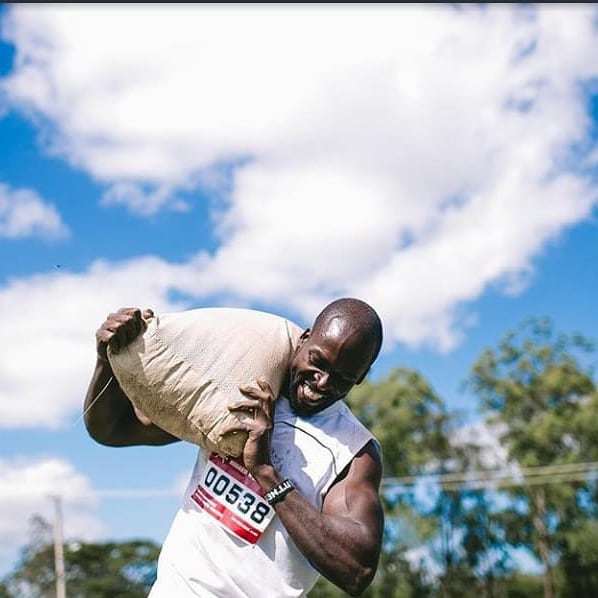
I understand this group very well. There is something deeply satisfying about discovering that your body can do something today that it couldn’t do six months ago. Performance gives training purpose. The weight gets heavier, the time gets faster, the distance gets longer, and the movement becomes cleaner. And performance isn’t only for elite athletes. For a 25-year-old, performance might mean running a marathon. For a 45-year-old, it might mean completing their first hike. For a 70-year-old, it might mean confidently getting up from a chair without assistance. Different scoreboard. Same victory. Fitness, at its best, expands our capacity for life.
4. Mental Wellbeing: “I Exercise Because I Feel Better Afterwards
This may become one of the most important reasons people exercise in the years ahead. Modern life is noisy. Deadlines. Traffic. Phones. Bills. Work pressure. Family responsibilities. Social media. WhatsApp groups that somehow produce 247 messages while you are in one meeting.

Sometimes what we need is movement. A walk, a run, a dance class, a strength session, a swim, a walk, a recreational sport or a bike ride. Not because we are chasing abs or preparing for competition, but because movement helps us reset. Many people are discovering that exercise can become part of how they manage stress, improve sleep, boost energy, create mental space and reconnect with themselves. I have seen people walk into training carrying the weight of their day and leave lighter, not necessarily because the dumbbells became lighter, but because they felt better. That matters.
Sometimes the greatest transformation after a workout cannot be photographed.
Feel fitness
So, Why Do You Move?
What fascinates me about these four motivations is that they don’t live in separate boxes. They overlap. You might begin exercising because you want to lose weight. Then you discover you sleep better. A year later, you sign up for your first 10K. Ten years later, you are strength training because you want to remain independent as you age.
Same person. Different season. Different reason. Still moving.
And this is where I believe the fitness industry must pay attention. We cannot keep selling everybody the same six-pack. The 65-year-old woman who wants enough strength to travel and play with her grandchildren doesn’t need the same conversation as the 24-year-old chasing muscle definition.
Feel Fitness
The recreational runner chasing a personal best has different motivations from the executive who simply needs an hour of movement to decompress after a stressful day. Good coaching begins by understanding why the person in front of you wants to move.
Because behind every membership, every pair of running shoes and every person struggling through that final repetition is a human being trying to improve something about their life.
The Future of Fitness Is Bigger Than Fitness
Perhaps this is where the fitness conversation is ultimately heading. Exercise isn’t just about adding muscle. It isn’t only about losing kilograms. It isn’t simply about running faster. And it certainly isn’t only about looking good at the beach.
It is about building the capacity to live well. To remain strong, to stay independent, to perform, to think clearly, to manage life’s pressures, and to keep doing the things we love with the people we love for as long as possible.
After years in this industry, I increasingly believe the question we should ask people is not simply: “What is your fitness goal?” Maybe the better question is: “What kind of life are you training for?” Because once we understand that, exercise stops being something we have to do. It becomes an investment in the person we still want to be. So, what are you training for?