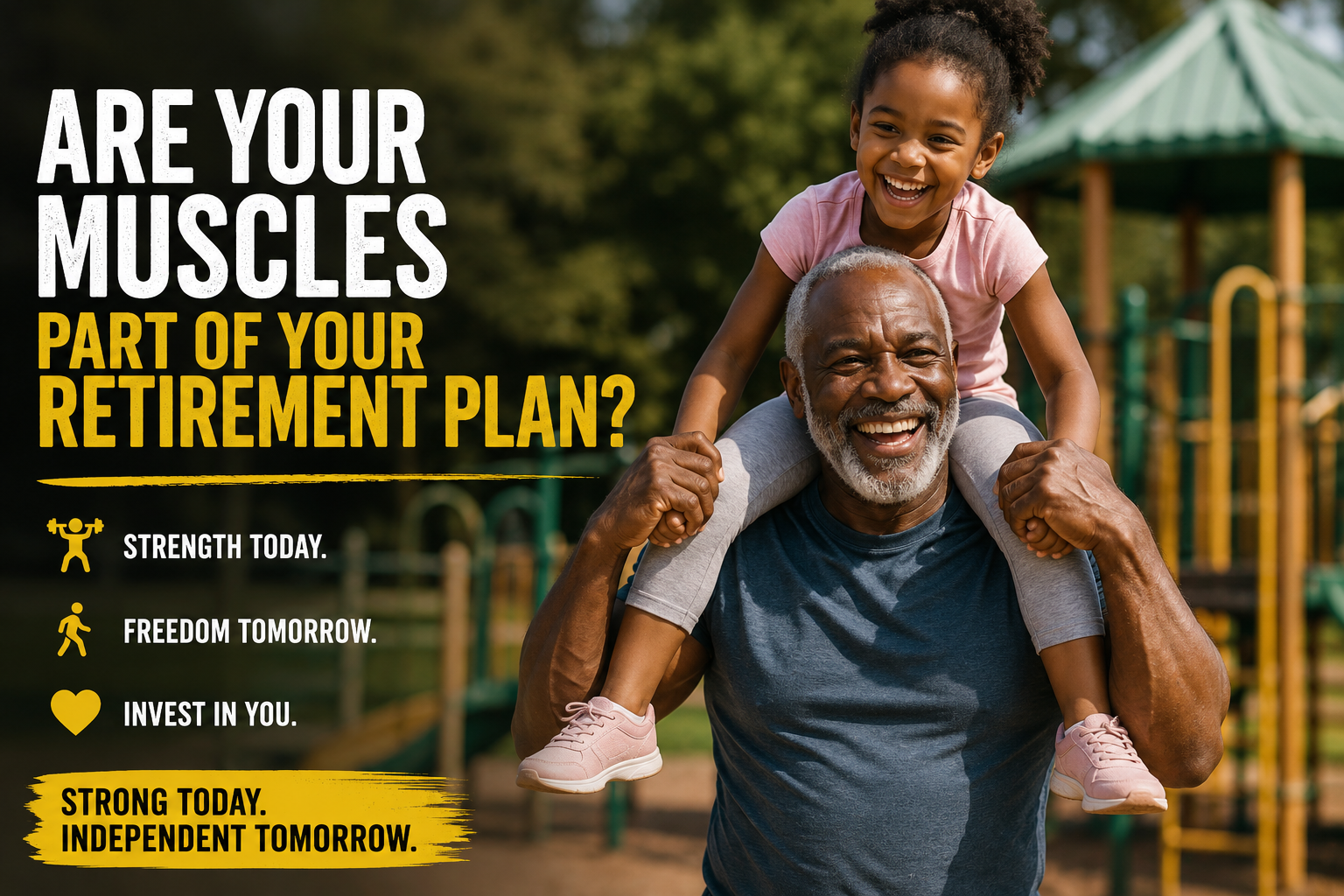
When we talk about preparing for retirement, we usually talk about money. We save, invest, buy some land, build a home and grow our pension. Some of us might even plant a few avocado trees somewhere and hope the children remember where we live! Of course, all of that matters. However, there is another retirement account that many of us forget to contribute to: our muscle account.
Think about it. What good is having money in the bank at 70 if your legs are not strong enough to get you out of a chair? What good is finally having the time and money to travel if climbing a flight of stairs suddenly feels like climbing Mt. Kenya? And after working so hard to build that beautiful retirement home, surely you want to carry your own shopping from the car, move around your home confidently and enjoy your independence.
That is why, over the years, I have learned to look at strength differently. Yes, strong muscles can help us look and feel good, but their value goes far beyond appearance. They allow us to move, explore, play, work, travel and continue doing the things we love as we grow older.
Ultimately, muscle is not just about looking good. Muscle is about freedom
We Are All Making Withdrawals
As we grow older, we naturally begin to lose muscle mass and strength. If we become inactive, that process can happen even faster. Unfortunately, most of us spend our younger years making withdrawals without making enough deposits. We sit more, move less, stop lifting things, avoid stairs, and we don’t eat enough quality protein.
Then one day, activities that used to be automatic begin requiring effort. Getting off the floor becomes an event. Carrying groceries suddenly requires negotiations. And when you see a staircase, you start looking around hopefully for a lift! But here is the encouraging news: Your muscles can still respond to training as you age. You can make deposits again.
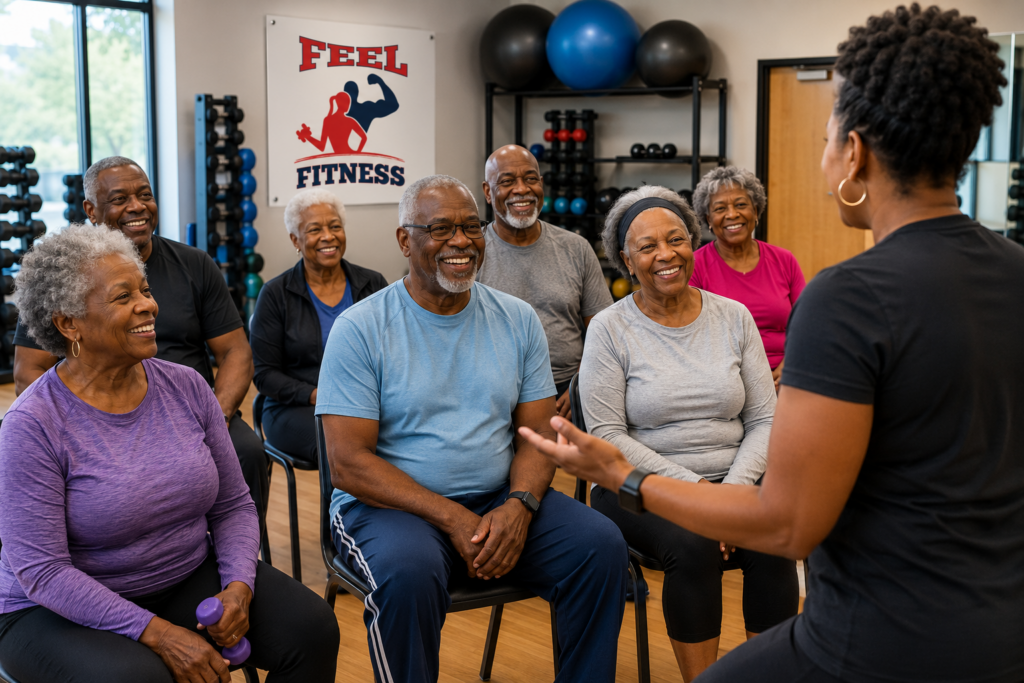
Resistance training gives your muscles a reason to remain strong. Good nutrition, especially adequate protein, provides the building blocks for maintenance and recovery. Regular movement helps us preserve mobility, balance and our ability to function well. And no, you don’t need to become a bodybuilder. You simply need enough strength in the bank for life.
Strength Is Independence
After more than two decades of working with people in gyms, on fields and on trails, I have come to appreciate that fitness is about much more than six-packs, smaller waistlines or bigger biceps.
One of the greatest gifts fitness can give us is independence. The ability to get out of bed without assistance. To get up from the floor after playing with your grandchildren. To carry your own luggage through the airport
Feel Fitness
It also enables us to climb stairs and walk confidently without constantly worrying about falling. To travel, garden, dance, hike and to keep doing the things that bring you joy. That, my friends, is fitness. And that is freedom. This is why I don’t see strength training merely as exercise anymore. I see it as an investment in future freedom.
Start Where You Are
Sometimes people hear “strength training” and immediately imagine a heavily muscled person lifting a barbell loaded with enough weight to frighten the entire neighbourhood. Relax.
You don’t have to start there! Instead, start with what your body can comfortably manage today. Begin with your own body weight. Sit down on a chair and stand back up a few times. Use resistance bands, lift manageable weights, practice some squats, push against a wall, climb a few stairs or simply get out and walk. From there, gradually increase the challenge as your body becomes stronger. You don’t need to walk into the gym on day one and start lifting weights that require three people, a prayer meeting and an ambulance on standby!
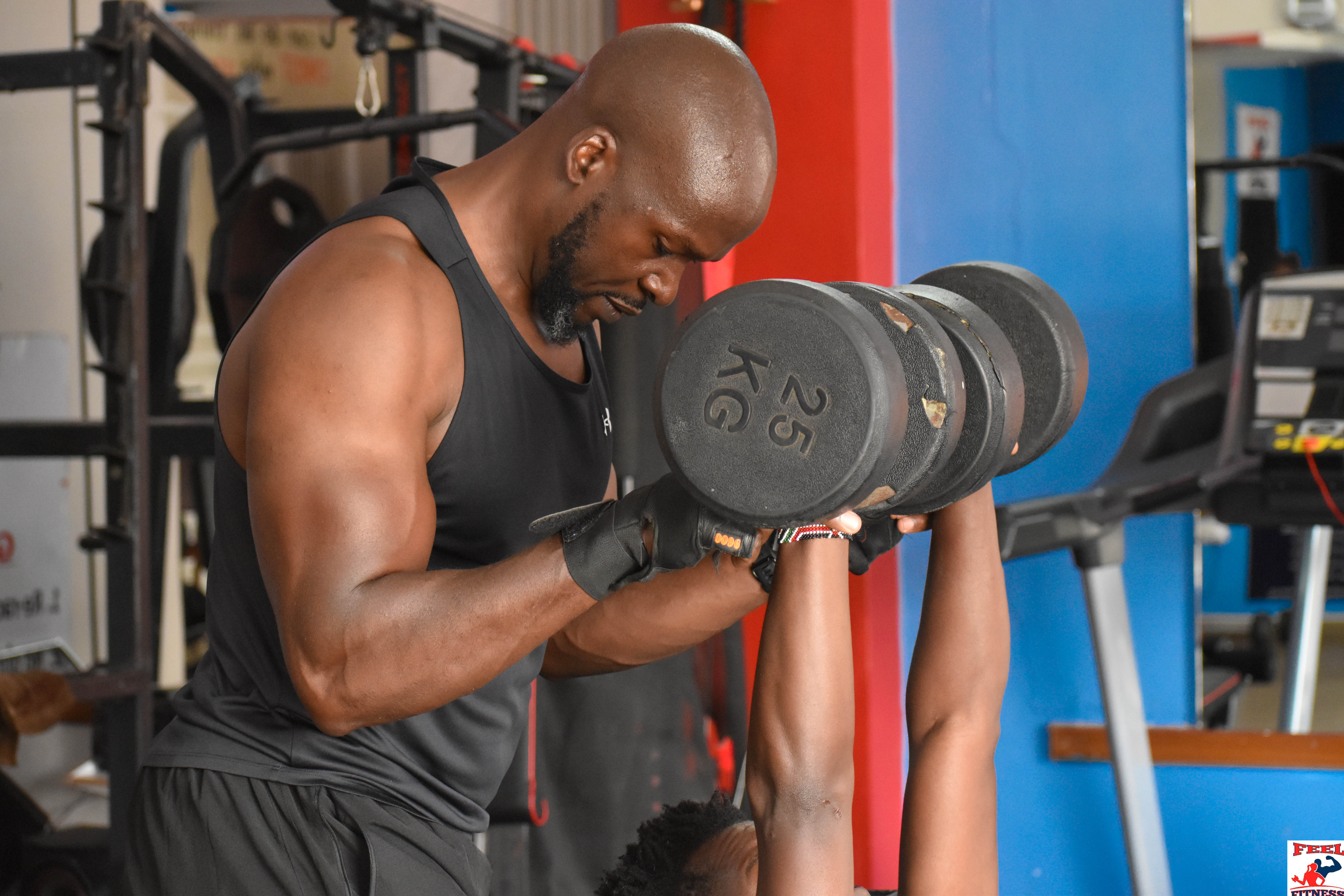
Remember, the goal is not to impress anybody. The goal is to make tomorrow’s version of you stronger than today’s. At the same time, don’t forget that building strength doesn’t end when the workout ends. You also need to feed and care for the muscles you’re asking to work. Therefore, make adequate protein, good nutrition, hydration, quality sleep and recovery part of the plan.
Adequate protein, good nutrition, hydration, recovery and sleep all play their part. Training provides the stimulus. Nutrition provides the building materials. Recovery gives the body time to do the construction.
Coach Philip
Train for the Life You Want at 70
Here’s a question I often think we should ask ourselves:
What do you want to still be able to do 10, 20 or even 30 years from now?
Do you want to travel?
Play with your grandchildren?
Work on your farm?
Dance at your children’s weddings?
Climb a mountain?
Carry your own shopping?
Get off the toilet without needing assistance?
Then perhaps we should stop thinking about exercise only in terms of what it does for our bodies today. Every squat, every walk, every push-up, every resistance session and every healthy meal is a small deposit into the person you are becoming. Some deposits won’t look impressive today. But compound interest is a beautiful thing.
Make a Deposit This Week
Here is my challenge to you.
Choose two days this week and do some form of resistance training appropriate for your current ability. It might be weights, resistance bands, bodyweight exercises or simply controlled sit-to-stands from a chair.
Start where you are, don’t worry about where somebody else is. Don’t wait until Monday, next month or January when the entire country suddenly remembers that gyms exist!
Start with what you have, where you are, and build from there.
We spend years preparing financially for retirement. Perhaps it’s time we prepared physically for it too. Because your retirement plan shouldn’t only answer the question: “Will I have enough money to live?” It should also answer: “Will I have enough strength to live the life I worked so hard for?”
Build the muscle, protect your mobility and invest in your strength. Your future self is counting on the deposits you make today. Healthy ageing isn’t simply about adding years to your life. It’s about adding life, strength and independence to those years.